
October 15, 2026 at 4:39:29 AM
Why Regular Massage Improves Well‑Being: Evidence-Based Benefits Explained
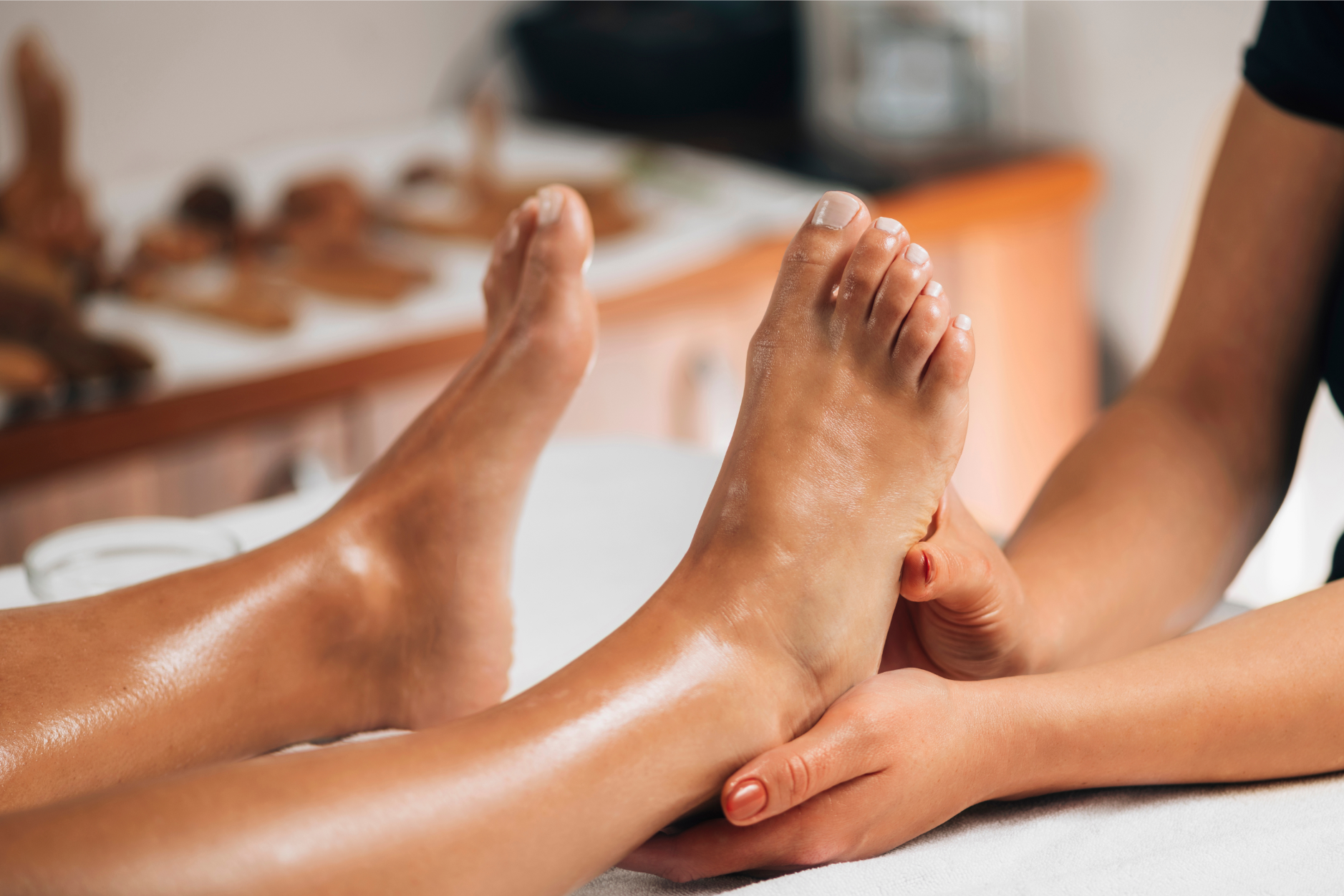
Massage offers more than a momentary escape; it’s a practical tool many people use to support physical and mental well-being. At its simplest, massage benefits refer to the range of positive effects people commonly report after hands‑on therapies—from reduced muscle tension and improved circulation to calmer moods and better sleep. Different techniques (for example, Swedish, deep tissue, and trigger-point work) emphasize particular outcomes, but they share a common aim: to alter soft tissue and nervous system activity in ways that feel restorative and functional.
Understanding the potential benefits begins with recognizing massage as an intervention that works on several levels at once. Mechanically, massage applies pressure and movement to muscles, fascia, and connective tissue, which can help loosen tight areas and promote fluid exchange. Neurologically, touch stimulates receptors that influence pain perception and relaxation pathways. Psychologically, the focused, intentional contact and the break from daily stressors create space for down‑regulation of arousal and improved mood. These three domains—mechanical, neurological, and psychological—interact, so the benefit a person experiences often depends on the technique used, the therapist’s approach, and the client’s individual needs.
This article outlines the most commonly observed massage benefits for the body and mind, explains when massage may be most helpful, and offers practical tips to get the most from a session. Whether the goal is to manage recurring tightness, support recovery after activity, or reduce chronic stress, learning how massage affects different systems helps set realistic expectations and improve outcomes. Read on to explore how massage can influence circulation, pain, mobility, and emotional balance, and what to consider when choosing a session that matches your goals.
Among the core massage benefits are effects on circulation, tissue mobility, pain modulation, and recovery after physical activity. Mechanical movements—stroking, kneading, compressing—encourage blood flow to and from treated areas. Improved circulation can support nutrient delivery and waste removal in muscles, which people often associate with a lighter, less crowded feeling in tight regions. Likewise, massage may promote mobility by releasing short, resistant tissues and reducing adhesions in fascia, which can allow joints and muscles to move with less restriction.
Pain modulation is another commonly reported advantage. Touch and pressure activate sensory receptors that communicate with the central nervous system; this input can alter how pain signals are processed and perceived. For many clients, a session results in noticeable short‑term pain relief and an increased ability to perform daily tasks. Massage can also be integrated into recovery plans after exercise because it helps address muscle tightness and perceived soreness; when used alongside proper rest and nutrition, it can contribute to a faster return to regular activity.
It’s important to note that the degree of benefit varies. Factors such as the type and intensity of massage, the therapist’s skill, the underlying condition, and an individual’s overall health all shape outcomes. Some people experience immediate, sustained changes while others notice incremental improvements across multiple sessions. People with certain medical conditions or acute injuries should check with a healthcare provider before receiving massage, as some approaches may need to be adapted. With appropriate selection and professional guidance, massage can be a practical component of a broader plan to support physical function and comfort.

How Massage Helps the Body, Mind, and Everyday Life
Getting the most from massage involves a few practical considerations before, during, and after a session. Before a session, clarify goals with the therapist—whether you want relaxation, targeted pain relief, or improved range of motion—so they can tailor techniques appropriately. Provide an accurate health history and mention any recent surgeries, medications, or conditions such as high blood pressure, pregnancy, or clotting disorders; these factors may influence the therapist’s approach or contraindicate certain techniques.
During the session, open communication is key. Speak up about pressure, temperature, or discomfort. A good practitioner will adjust to your needs and explain why they are using particular movements. After the session, gentle hydration and light movement can help integrate the effects; some people find a warm shower, short walk, or simple stretches helpful. Temporary soreness or fatigue can occur after deeper work—this often resolves within a day or two and can be managed with rest, hydration, and gentle self‑care.
Frequency depends on goals and resources. Some people benefit from weekly sessions for active issues, while others find monthly maintenance supports ongoing well‑being. It’s reasonable to reassess goals with a therapist periodically and adapt frequency and technique as needed. Massage is not suitable for everyone at all times: acute infections, open wounds, certain cardiovascular conditions, or specific clotting risks are examples of situations where massage should be deferred or modified; consult a healthcare provider when in doubt.
In summary, massage benefits span physical symptom relief, improved tissue mobility, and emotional regulation. When practiced with informed communication, appropriate selection of technique, and sensible aftercare, massage can be a useful element of a broader self‑care or recovery plan. Consider discussing your objectives with a qualified therapist to determine how massage might best fit your individual needs.

Title
I'm a paragraph. Click here to add your own text and edit me. It's easy.
Title
I'm a paragraph. Click here to add your own text and edit me. It's easy.
Title
I'm a paragraph. Click here to add your own text and edit me. It's easy.