
November 7, 2026 at 3:39:32 AM
Why Massage Matters: Everyday Benefits for Body and Mind
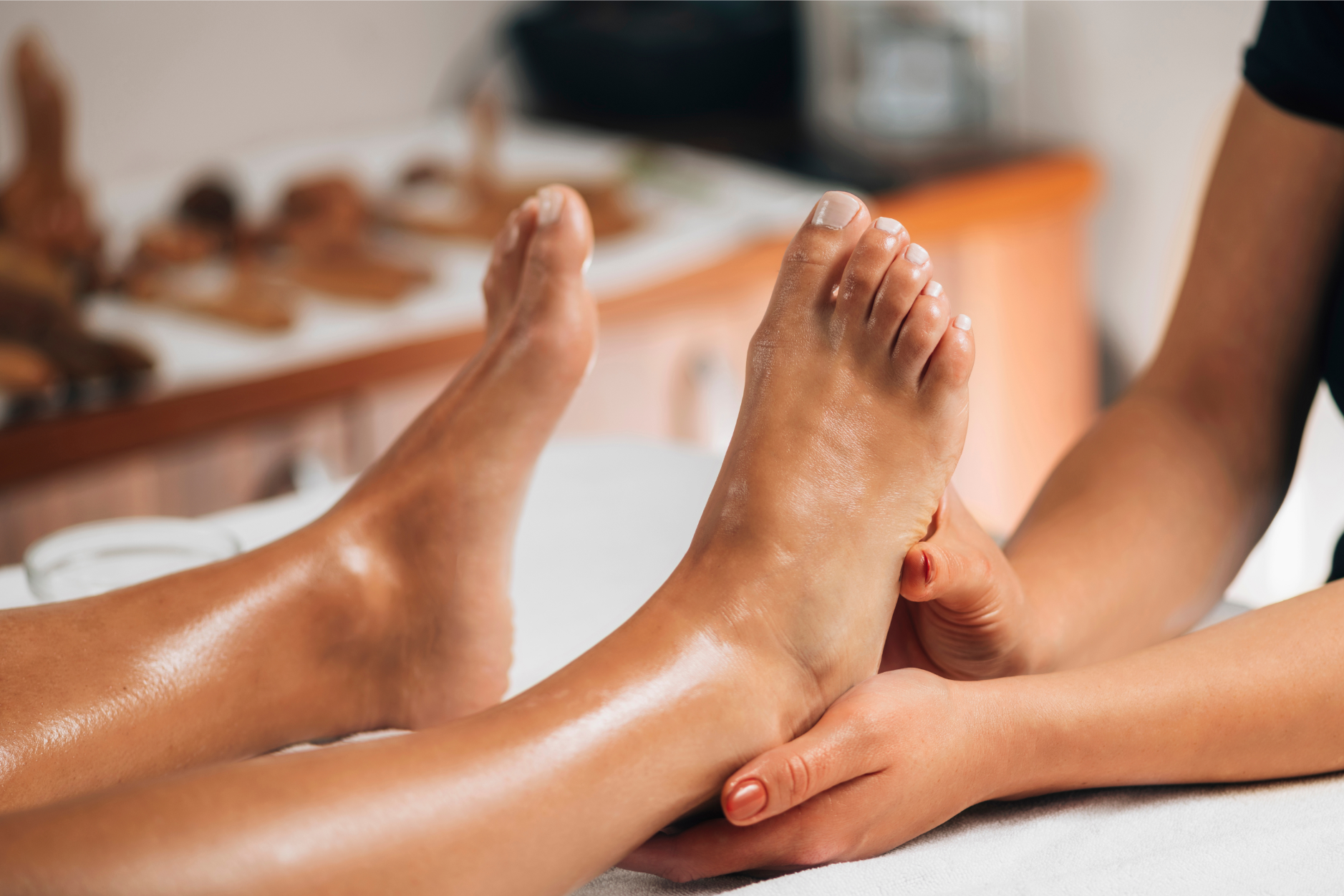
Massage benefits go beyond simple pampering; they influence multiple systems in the body and can strengthen both physical and mental resilience. At a basic level, massage stimulates blood flow, helps release muscle tension, and promotes a parasympathetic (rest-and-digest) response in the nervous system. These effects together help reduce perceived stress and create a sense of calm. People often notice immediate relief from tightness and improved mobility after a session, while repeated treatments can contribute to longer-term improvements in posture, flexibility, and pain levels.
Different massage techniques emphasize different outcomes. Light, flowing techniques are typically used to promote relaxation and boost circulation, while firmer strokes target deeper muscle layers to address chronic tension or localized pain. Reflexive responses triggered by pressure on certain nerves and tissues can also moderate pain signals, making massage an option for managing discomfort without relying exclusively on medication. In addition, massage can complement other health practices—such as stretching, exercise, or physical therapy—by preparing muscles for activity or helping them recover afterward.
Beyond the immediate physiological responses, many people report better sleep quality following massage, which in turn supports recovery and mood regulation. The release of muscle tension combined with reduced levels of stress and a calmer nervous system can make it easier to fall and stay asleep. Massage sessions also create a structured break from daily demands, which reinforces self-care habits and encourages consistent attention to bodily signals. Overall, the benefits of massage are multifaceted, involving interconnected physical and psychological pathways that make it a versatile component of a balanced wellness routine.
To understand how massage benefits the body, consider several key mechanisms. First, mechanical pressure and movement applied to soft tissues promote circulation. Improved blood and lymph flow helps deliver oxygen and nutrients to muscles while assisting the removal of metabolic waste products. This can reduce soreness after activity and support tissue repair. Second, manual therapy influences the nervous system: sustained, rhythmic touch stimulates sensory receptors that can down-regulate pain pathways and shift autonomic balance toward relaxation. This interaction helps explain why massage often reduces both acute discomfort and the intensity of chronic pain conditions.
Range of motion and joint mobility frequently improve after targeted work on tight muscles and connective tissue. When muscles are less guarded and more pliable, movement patterns become smoother and less likely to strain neighboring structures. For athletes and active individuals, massage benefits include accelerated recovery between workouts by decreasing muscle stiffness and helping prevent adhesions. For office workers or people with repetitive stress patterns, routine massage can address postural imbalances and relieve tension commonly found in the neck, shoulders, and lower back.
Massage may also support immune function indirectly. By lowering stress-related hormones and improving sleep and circulation, it creates conditions conducive to better overall health. While massage is not a cure-all, these physiological effects combine to make it a useful adjunct to other health interventions. Practitioners tailor techniques—such as Swedish, myofascial release, or trigger point therapy—to the person’s needs, maximizing the specific massage benefits sought, whether that’s relaxation, pain relief, or enhanced mobility.

How regular massage supports recovery, relaxation, and overall well-being
In summary, the massage benefits people notice—reduced tension, improved circulation, pain relief, better sleep, and decreased stress—stem from a range of physiological and psychological processes. When integrated thoughtfully into a broader wellness plan, massage can support recovery, enhance mobility, and provide a restorative break from daily demands. Selecting the right techniques and session frequency, disclosing health information, and pairing professional sessions with simple at-home practices help maximize results while minimizing risk.
Massage is not a replacement for medical care but can be a valuable complement to exercise, physical therapy, and mental-health strategies. If you’re exploring massage benefits for the first time or returning after a break, start with clear goals, communicate openly with your therapist, and allow time to assess how your body responds. Over weeks and months, consistent attention to restorative bodywork can become an effective component of a long-term self-care routine that supports both body and mind.

Title
I'm a paragraph. Click here to add your own text and edit me. It's easy.
Title
I'm a paragraph. Click here to add your own text and edit me. It's easy.
Title
I'm a paragraph. Click here to add your own text and edit me. It's easy.