
November 22, 2026 at 3:39:35 AM
Why Massage Helps: Real-Life Benefits for Body and Mind
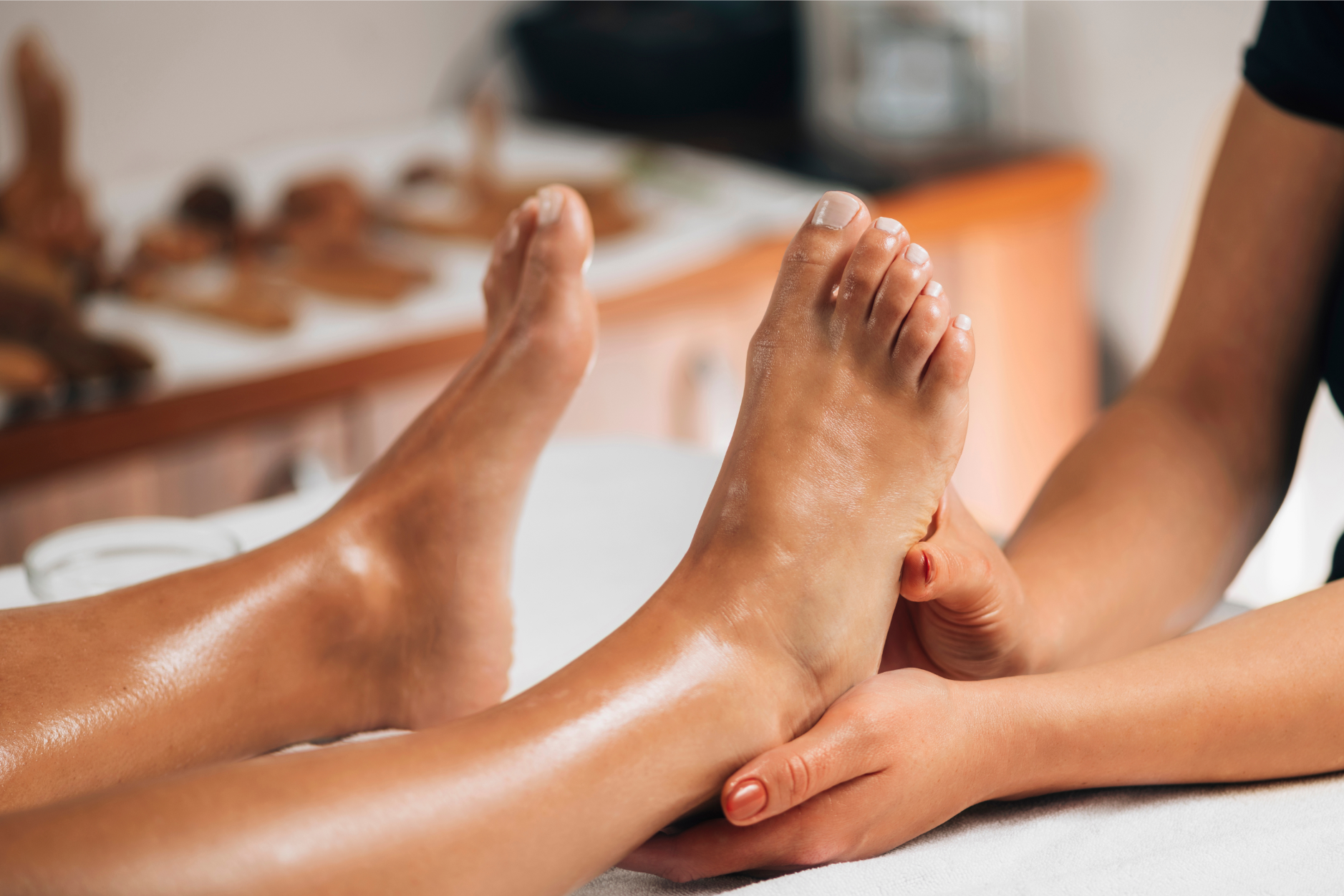
Massage benefits begin the moment skilled touch engages muscles, fascia, and the nervous system. At the most basic level, massage stimulates blood flow to tissues, helping deliver oxygen and nutrients while carrying away metabolic waste. Manual techniques — from long, gliding strokes to targeted pressure — also influence the autonomic nervous system by encouraging a shift away from sympathetic ’fight-or-flight’ activation and toward parasympathetic rest-and-digest responses. That shift can reduce heart rate and blood pressure transiently and create a sense of calm.
Mechanically, massage breaks up adhesions and softens tight bands of muscle and connective tissue, which improves mobility and reduces localized tension. Lymphatic circulation benefits from rhythmic compression and release, supporting drainage of excess fluid and cellular debris. In the brain, gentle touch and sustained pressure promote the release of neuromodulators such as endorphins and can lower circulating stress hormones; these neurochemical changes underlie many subjective reports of reduced pain and improved mood after a session.
Different techniques prioritize different physiological effects. Longer, superficial strokes tend to soothe and increase circulation over a broad area, while deeper techniques focus on releasing trigger points and chronic tightness. For someone new to massage, understanding that palpable changes often develop over multiple sessions is important; a single treatment can provide immediate relief, but consistent care better supports lasting improvements. Knowing how massage interacts with the body makes it easier to set realistic expectations and choose the right approach for specific goals, whether that is easing chronic tension, recovering from a workout, or simply promoting relaxation.
Beyond physical changes, massage benefits extend strongly into emotional and cognitive wellbeing. Touch is a primary way humans regulate stress and establish safety; therapeutic touch activates pathways that reduce sympathetic arousal and support relaxation. Many people report decreases in anxiety and a quieter mental state after a session. Massage can also contribute to better sleep by downregulating systems that interfere with restful cycles and by easing the bodily tension that can keep someone awake.
Mood improvements following massage are often linked to shifts in neurochemistry — increases in calming neurotransmitters and reductions in stress-related hormones — but the experience also offers psychological advantages. The focused, nonjudgmental environment of a session creates space for mental decompression, helping people step away from persistent worries and sensory overload. For those who combine massage with other stress-management practices like mindfulness or breathwork, the techniques can reinforce one another, amplifying benefits.
Regular massage can support emotional resilience by providing predictable intervals of recovery. When life’s demands create cumulative strain, routine bodywork supplies a renewal point that helps some people manage deadlines, caregiving responsibilities, or high-pressure jobs more smoothly. While massage is not a substitute for clinical mental-health treatment when needed, it can be a useful complementary tool for reducing everyday stress, improving sleep quality, and enhancing overall emotional balance.

How Regular Massage Supports Recovery, Relaxation, and Everyday Function
Maximizing massage benefits depends on frequency, communication, and safety awareness. Frequency should be guided by goals: someone seeking general relaxation might schedule monthly sessions, while people rehabilitating an injury or training intensely may benefit from weekly or biweekly visits. Honest dialogue with the therapist about pain levels, sensitivity, medical history, and desired outcomes helps tailor pressure and techniques appropriately.
Certain conditions call for caution or consultation with a healthcare provider before receiving massage. Examples include acute infection, fever, uncontrolled blood pressure, recent surgery, deep vein thrombosis, or specific circulatory disorders. Pregnancy requires special positioning and the use of therapists trained in prenatal techniques. If you are taking blood-thinning medication or have a bleeding disorder, inform the therapist so they can adapt the approach.
Aftercare enhances results: hydrate well, move gently, and consider light stretching or a warm bath to prolong tissue response. Track how you feel in the hours and days after a session to determine ideal timing and intensity for future treatments. If any unusual pain or swelling occurs, seek medical advice.
In summary, massage benefits span physical, emotional, and functional domains. When integrated responsibly into a broader self-care or recovery plan, regular massage can reduce tension, support healing, improve sleep, and foster a calmer state of mind. Discuss needs with qualified professionals and use massage as one tool among many to promote sustained wellbeing.

Title
I'm a paragraph. Click here to add your own text and edit me. It's easy.
Title
I'm a paragraph. Click here to add your own text and edit me. It's easy.
Title
I'm a paragraph. Click here to add your own text and edit me. It's easy.