
October 22, 2026 at 8:29:57 AM
Whole-Body Wellness: How Massage Benefits Body and Mind
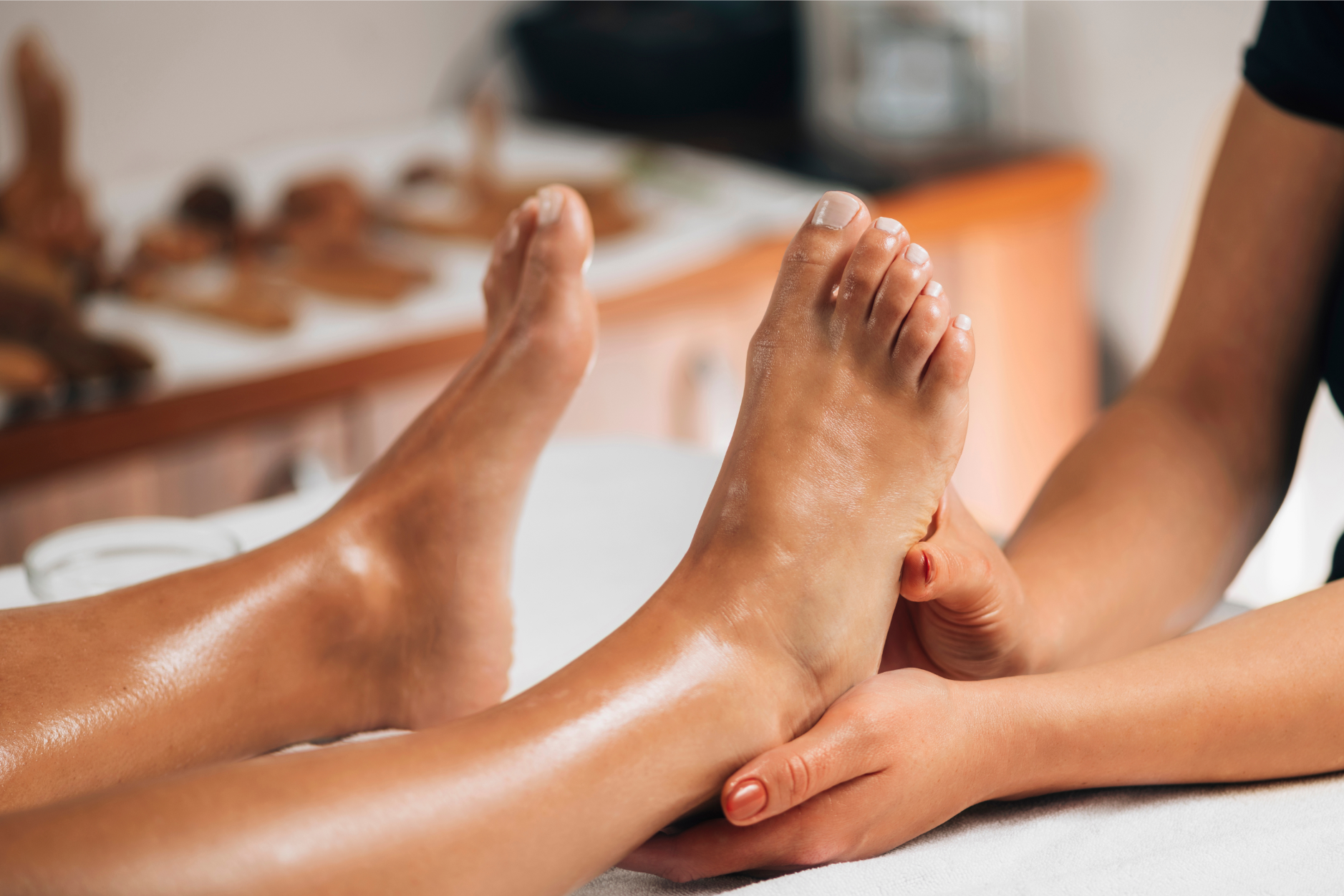
Massage benefits extend far beyond simple relaxation; they influence physiological systems, mental states, and everyday functioning. At a basic level, massage manipulates soft tissues—muscles, tendons, ligaments, and connective tissue—to reduce tension and improve mobility. Mechanical pressure and movement can help increase local blood flow, encourage venous return, and support lymphatic drainage, which together aid nutrient delivery and waste removal from tissues. Those circulatory effects are part of why people describe a sense of renewed energy after a session.
Beyond circulation, massage stimulates neurological responses. Gentle, rhythmic touch tends to activate the parasympathetic nervous system—the branch responsible for rest and digestion—producing slower heart rate, lower breathing rate, and a calmer mental state. This shift can reduce perceived stress and promote physical relaxation. Different massage techniques emphasize different outcomes: lighter strokes and effleurage favor relaxation and circulation, while deeper pressure and friction target muscle knots and chronic tension.
The phrase massage benefits covers a wide spectrum: immediate relief from stiffness, short-term pain reduction, improved joint mobility, and enhanced relaxation. Benefits can be acute—noticeable after a single session—or cumulative when massage is integrated into a regular self-care routine. People seeking targeted outcomes often pair specific massage approaches with other care strategies such as stretching, posture work, or physical therapy.
Safety and individual differences matter. Medical conditions, medications, or acute injuries can change how the body responds to touch, so it’s wise to consult a healthcare professional before beginning regular massage when there are health concerns. The rest of this post looks more closely at the physical and mental benefits, followed by practical guidance on choosing techniques and planning sessions that match personal goals.
The physical benefits of massage are among the most commonly cited reasons people seek treatment, and these effects span pain relief, mobility improvement, and recovery support. One of the clearest impacts is reduction of muscle tension. Targeted pressure breaks up adhesions and relaxes tight fibers, which can restore a fuller, more comfortable range of motion. When muscles are less taut, joints can move with less friction and strain, helping functional movement in daily activities.
Improved circulation is another key benefit. Massage increases blood flow to treated areas, bringing oxygen and nutrients while helping carry away metabolic byproducts. This process supports tissue repair and can reduce sensations of soreness after activity. Lymphatic stimulation—especially with lighter, rhythmic techniques—encourages removal of interstitial fluid, which may reduce localized swelling and contribute to a lighter feeling in injured or fatigued tissues.
Pain reduction often follows from a combination of mechanical effects and neurological modulation. Pressure and stretching can interrupt pain signaling pathways and promote release of natural pain-relieving substances in the nervous system. For people recovering from strenuous exercise or repetitive strain, specific approaches such as sports massage or myofascial release can accelerate recovery by targeting tight bands and improving flexibility.
Massage can also help posture-related discomfort. Many chronic aches stem from habitual posture and repetitive movement patterns; regular treatment paired with corrective exercises can ease compensatory muscle tension. That said, massage is not a substitute for medical care when structural injuries or serious conditions are present; it functions best as one component of an integrated plan designed with professional guidance.

Understanding the Science and Practical Value of Regular Massage
Choosing the right approach and knowing what to expect helps convert potential massage benefits into consistent, measurable improvements. Begin by clarifying goals: relaxation, pain relief, flexibility, or recovery will point toward different techniques. Swedish and relaxation-focused sessions suit stress reduction and circulation; deeper modalities like myofascial work or targeted sports massage are better for chronic tension or athletic recovery. If you have medical conditions—bleeding disorders, recent surgery, certain skin issues, or pregnancy—discuss them with a licensed practitioner and your healthcare provider before booking.
Frequency depends on goals and budget. For acute muscle tension or recovery from heavy training, weekly sessions can be effective; for general maintenance and stress management, biweekly or monthly visits often suffice. Between sessions, simple self-care—hydration, gentle stretching, heat or cold as appropriate—can reinforce gains. Arrive with clear communication about pressure preferences, sensitive areas, and any pain so the therapist can adapt techniques safely.
Practical session tips: wear comfortable clothing to and from the appointment, allow time to relax afterward rather than rushing back into stressful activities, and consider keeping a short log of how you feel before and after sessions to track progress. If a technique consistently causes sharp pain, stop and notify the therapist; beneficial discomfort is different from pain that signals harm.
In summary, massage benefits span physical relief, mental calm, and improved sleep, and they work best when combined with realistic goals, clear communication, and appropriate frequency. When chosen and applied thoughtfully, massage is a versatile tool for enhancing everyday wellbeing.

Title
I'm a paragraph. Click here to add your own text and edit me. It's easy.
Title
I'm a paragraph. Click here to add your own text and edit me. It's easy.
Title
I'm a paragraph. Click here to add your own text and edit me. It's easy.