
October 17, 2026 at 8:29:59 AM
The Real Benefits of Massage: How Touch Heals and Restores
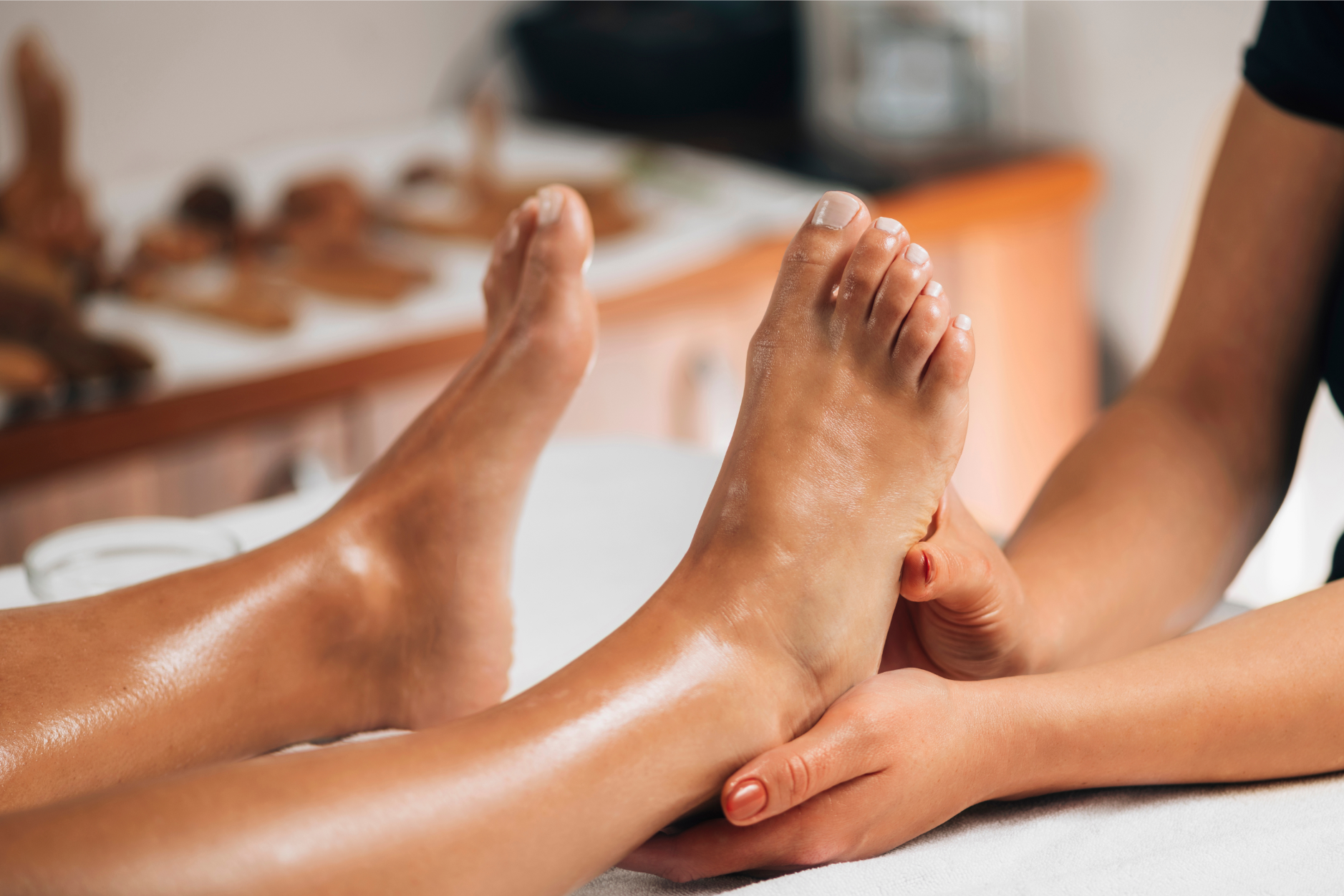
Massage benefits extend far beyond mere relaxation. At a basic level, massage works by manipulating soft tissues—muscles, tendons, ligaments and fascia—to reduce tension, improve mobility, and influence circulation. That physical work also sends signals to the nervous system that can alter pain perception and encourage a calmer state. For many people, a single session delivers an immediate sense of ease; for others, consistent treatments become part of a broader self-care routine that supports overall wellbeing.
Different massage styles emphasize different outcomes. Lighter, rhythmical approaches encourage relaxation and promote circulation, while deeper, focused methods target stubborn knots and chronic tightness. Foot-focused therapies and reflexology apply pressure to specific points believed to relate to other areas of the body, often producing both physical relief and a sense of grounding. Regardless of technique, most therapies combine hands-on work with a slower breathing pattern and an environment designed to reduce sensory overload—dim lighting, gentle music, or quiet—all of which help the body move from a stress-response mode toward repair and restoration.
Knowing how massage benefits you personally starts with defining what you want to achieve: less pain, better flexibility, improved sleep, or simply a break from constant stress. Communicating those goals with a massage professional helps tailor the session to your needs and avoids unnecessary discomfort. The next section will explore the primary physical advantages people commonly report and how those changes happen at the tissue level, so you can better understand what to expect and how to measure progress over time.
Many of the most tangible massage benefits show up in the body: reduced pain, increased range of motion, and improved circulation. Manual pressure and targeted strokes help loosen tight muscles and break up adhesions in soft tissues. As knots and tension release, muscles can lengthen and move more efficiently, which often translates to a better range of motion and reduced strain on neighboring joints. People dealing with chronic stiffness or localized soreness frequently report noticeable improvements after a few sessions.
Massage also supports circulation and lymphatic flow. By stimulating blood vessels and encouraging fluid movement, massage can help deliver oxygen and nutrients to tissues while promoting the removal of metabolic waste. This effect may aid recovery after physical activity and contribute to a general feeling of lightness. In addition, massage can have a direct effect on muscle recovery through both mechanical and neurological pathways: applying pressure can decrease muscle guarding and interrupt pain signals, making it easier to resume normal movement patterns.
Another common physical benefit is improved sleep. When muscle tension eases and the body shifts into a more relaxed autonomic state, falling and staying asleep can become easier. For people managing pain that disrupts rest, the cumulative effects of regular massage can lead to more consistent, restorative sleep cycles. Practical considerations—such as session length, frequency, and the type of technique used—play a role in how pronounced these benefits become. The next section looks at how massage benefits the mind and emotions, and offers practical tips to maximize results safely.

From Pain Relief to Better Sleep: Understanding Massage Benefits
Massage benefits span physical, mental, and emotional domains, providing a versatile tool for self-care. Physically, massage can ease pain, increase mobility, and support circulation and recovery. Mentally and emotionally, it calms the nervous system, improves mood, and creates dedicated time for restoration. Safety and communication are essential—sharing goals and medical background with your practitioner helps shape each session so it meets your needs without causing harm.
To integrate massage as part of a sustainable wellness strategy, start by identifying specific objectives—better sleep, reduced pain, or stress management—and select techniques and frequency that align with those goals. Short, regular treatments often produce gradual improvements, while aftercare such as hydration, gentle stretching, and adequate rest can extend benefits. If you have health conditions or persistent symptoms, consult a healthcare provider to ensure massage is appropriate and to coordinate it with other therapies.
Ultimately, massage benefits are most meaningful when viewed as one element of broader self-care: consistent movement, balanced rest, mindful breathing, and professional support when necessary. Experiment with different approaches, prioritize clear communication, and monitor how your body and mind respond. When used thoughtfully, massage can become a reliable practice that supports recovery, resilience, and everyday wellbeing.

Title
I'm a paragraph. Click here to add your own text and edit me. It's easy.
Title
I'm a paragraph. Click here to add your own text and edit me. It's easy.
Title
I'm a paragraph. Click here to add your own text and edit me. It's easy.