
November 4, 2026 at 7:30:02 AM
Massage Benefits: How Touch Supports Body and Mind
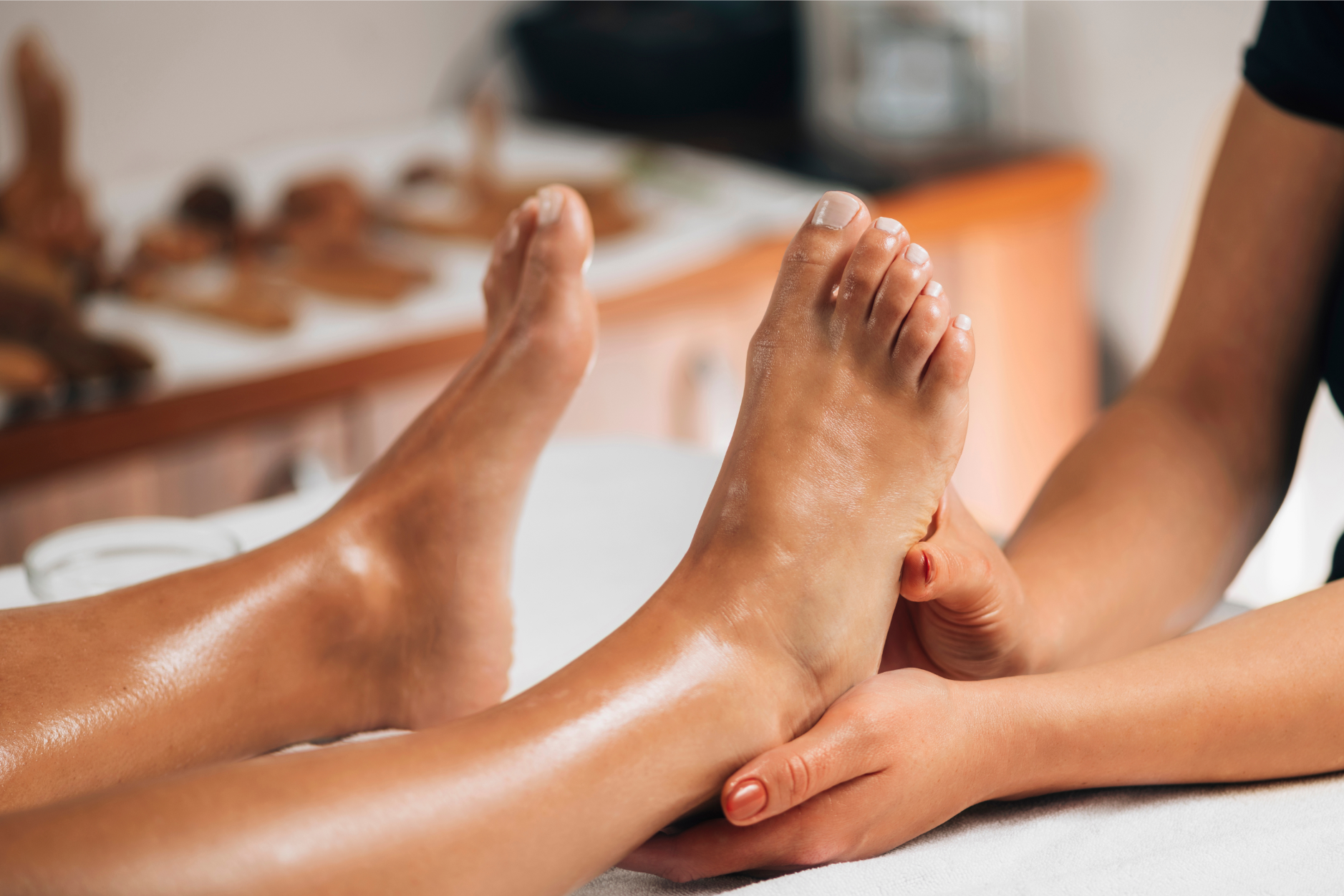
Massage benefits extend beyond momentary comfort. At its core, massage is the intentional manipulation of soft tissues—muscles, fascia, connective tissue—using pressure, stretching, and movement. That tactile input sends signals to the nervous system that can reduce muscle tension, improve circulation, and promote a shift from sympathetic (“fight or flight”) to parasympathetic (“rest and digest”) activity. These physiological responses underlie many of the commonly reported improvements in mood, sleep, and physical function.
Different techniques emphasize different outcomes. Lighter, rhythmic strokes are often used to soothe and promote relaxation, while firmer, focused work can help address knots, adhesions, and tightness that limit movement. Reflexive approaches, such as reflexology, apply targeted pressure to specific points believed to influence distant organs and systems. Regardless of style, the fundamental mechanisms—mechanical deformation of tissue, stimulation of blood and lymph flow, and modulation of neurochemical signaling—help explain why people turn to massage for relief from everyday aches, stress, and fatigue.
Understanding massage benefits also means recognizing limits and personalizing expectations. Massage is not a cure-all; it’s a supportive therapy that can complement exercise, sleep hygiene, and medical care. Results depend on factors like technique, duration, frequency, and individual health. Short sessions can offer immediate relaxation and temporary pain relief, while a consistent program may help sustain improvements in mobility and sleep quality. Toward that end, this article outlines the principal physical benefits, the mental and emotional effects, and practical guidance to help you choose the right approach and integrate massage into a balanced wellness routine.
Among the most tangible massage benefits are improvements in physical comfort and movement. By applying targeted pressure and manipulation to soft tissues, massage can ease localized muscle tension and reduce the stiffness that limits range of motion. When muscle fibers are tight or knotted, they can pull on joints and create compensatory patterns; releasing that tension helps restore more efficient movement and may lower the risk of secondary aches.
Massage also supports circulation. Mechanical pressure on muscles and skin temporarily increases local blood flow, which helps deliver oxygen and nutrients while assisting the removal of metabolic waste. Improved circulation can contribute to faster recovery after exercise and a general feeling of lightness in overworked areas. Some techniques also encourage lymphatic drainage, which may help reduce mild swelling and promote immune system function as part of a broader health strategy.
For people recovering from workouts or managing chronic muscular discomfort, massage can complement other practices such as targeted stretching, mobility work, and progressive strength training. It often helps ease delayed onset muscle soreness (DOMS) and encourages relaxation of trigger points that refer pain to other regions. However, intensity matters: deep, vigorous work can be helpful for stubborn tightness but may require longer recovery time, whereas gentler approaches are better when tissues are inflamed or sensitive. Communicating goals and comfort levels to a practitioner helps ensure that physical benefits are achieved safely and effectively.

Understanding Massage: Benefits for Everyday Wellness
Choosing how to use massage to capture its benefits starts with clarity about your goals and attention to safety. If your primary aim is relaxation and stress relief, look for gentler modalities and a practitioner who emphasizes rhythm and comfort. If you’re seeking to address chronic tightness or aid post-exercise recovery, discuss firmer techniques, treatment duration, and any areas of sensitivity. Always disclose medical conditions, medications, recent surgeries, or circulatory issues before a session; some situations warrant medical clearance or a modified approach.
Frequency depends on need and budget. Occasional sessions can provide immediate relief and a reset during high-stress periods, while regular visits—every few weeks or monthly—tend to support longer-lasting improvements in mobility, sleep, and stress management. Self-care between appointments is important: gentle stretching, hydration, rest, and mindful breathing help sustain gains. Simple self-massage with a ball or foam roller can also maintain tissue quality and relieve localized tension.
Contraindications and cautionary signs matter. If a treatment causes sharp pain, persistent numbness, or swelling, stop and consult a healthcare professional. Fever, active infections, or specific vascular conditions usually mean postponing massage. For pregnant clients, an appropriately trained practitioner should use pregnancy-safe techniques and positions.
In summary, massage benefits cover a wide range of physical and mental outcomes. Thoughtful selection of technique, clear communication with a practitioner, and sensible aftercare make it possible to integrate massage effectively into a balanced wellness routine. For individualized guidance related to specific medical conditions, consult your healthcare provider before beginning a new therapy.

Title
I'm a paragraph. Click here to add your own text and edit me. It's easy.
Title
I'm a paragraph. Click here to add your own text and edit me. It's easy.
Title
I'm a paragraph. Click here to add your own text and edit me. It's easy.