
November 14, 2026 at 7:30:07 AM
Massage Benefits: How Therapeutic Touch Supports Body and Mind
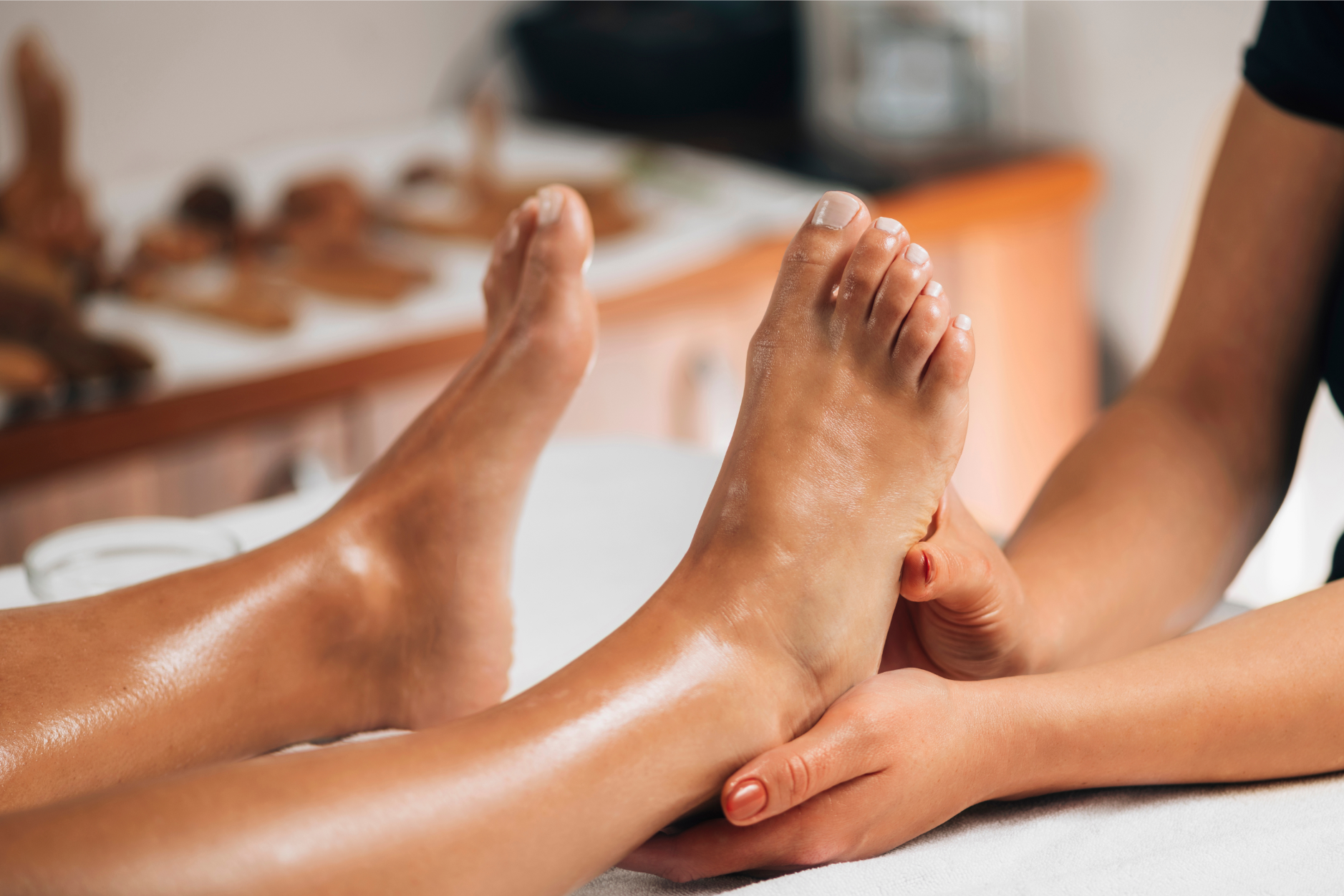
Massage benefits extend across physical systems and emotional well‑being, making massage a versatile tool for people with many different goals. At the most basic level, massage applies targeted pressure and movement to soft tissues — muscles, fascia, tendons and connective tissue — which helps reduce muscle tension and improve range of motion. That relaxation of tight muscles often translates into fewer movement restrictions and an easier ability to perform daily activities. Increased local blood flow is another common effect: movement and compression of tissues encourage circulation, which supports nutrient delivery and helps clear metabolic byproducts created during activity.
Beyond muscles and circulation, massage interacts with the nervous system. The gentle, rhythmic touch used in many techniques can shift the body toward a parasympathetic (rest-and-digest) state, helping to lower the physiological signs of stress and to produce feelings of calm. For people managing chronic discomfort, targeted massage can help break cycles of pain-related tension by interrupting the feedback loop between sore muscles and protective guarding. Reflexive responses — such as a release in a tense shoulder after work on the neck — demonstrate how interconnected the body’s systems are and how local work can lead to global change.
Massage benefits are not limited to a single method. Techniques vary from light, soothing strokes intended to promote relaxation to firmer, more focused approaches designed to address adhesions and deep-seated knots. The choice of technique should match the person’s goals: relaxation, pain management, mobility, or recovery after exercise. Knowing these basic physiological and nervous‑system responses helps explain why people report improved comfort, easier movement, and a more settled mood after professional or self-administered sessions. This physiological foundation leads naturally into how massage influences mental and emotional health.
Mental and emotional benefits are a central reason many people seek massage. The same physical processes that ease muscle tension and improve circulation also influence mood, sleep, and stress management. When massage helps the nervous system shift away from chronic activation — the ‘go’ state driven by stress — people often report feeling quieter, more grounded, and better able to manage daily pressures. Improved sleep is a frequent outcome: after a session, individuals commonly experience faster sleep onset, deeper rest, or fewer nighttime disturbances, all of which contribute to recovery and daytime functioning.
Emotional relief from massage can look different depending on the person. For some, it’s a reduction in anxiety symptoms and fewer intrusive thoughts; for others, it’s simply the restorative pause that allows perspective to return. Hands-on work also offers a validated, consensual experience of care and attention, which can contribute to feelings of safety and comfort. These subjective improvements are meaningful because mental state and pain perception are tightly linked — calmer states make discomfort easier to tolerate and often reduce the intensity of perceived pain.
Massage benefits for mental health are best thought of as complementary support rather than a substitute for professional mental health care. People coping with high levels of anxiety, depression, or trauma may find massage useful as part of a broader self-care plan that includes therapy, medication when appropriate, and lifestyle changes such as improved sleep and regular movement. Recognizing massage as one tool among many helps set realistic expectations and encourages integration into a balanced routine focused on long-term well‑being.

What Massage Can Do for Pain Relief, Stress Reduction, Sleep, and Recovery
Taken together, massage benefits span physical, mental, and practical dimensions. Physically, massage can ease muscle tension, encourage improved circulation, and support mobility; mentally, it can reduce stress, promote better sleep, and contribute to a calmer mood. Functionally, regular or targeted sessions can help athletes recover, desk workers offset postural strain, and older adults preserve comfort and range of motion. Understanding when to use different techniques and recognizing contraindications ensures safer, more effective results.
To make the most of massage benefits, identify clear goals (relaxation, pain relief, recovery, or mobility), communicate openly with a licensed therapist about medical history and comfort levels, and establish a follow‑up and aftercare routine that includes hydration, gentle movement, and rest. If you have specific health concerns — recent surgery, blood clotting disorders, pregnancy complications, or persistent, unexplained symptoms — consult a healthcare professional before starting regular sessions. When integrated thoughtfully into a broader self-care plan, massage can be a reliable component of overall well‑being, helping people manage everyday stressors and maintain the freedom to move with less discomfort.

Title
I'm a paragraph. Click here to add your own text and edit me. It's easy.
Title
I'm a paragraph. Click here to add your own text and edit me. It's easy.
Title
I'm a paragraph. Click here to add your own text and edit me. It's easy.