
October 30, 2026 at 8:30:10 AM
Massage Benefits: How Regular Massage Supports Body and Mind
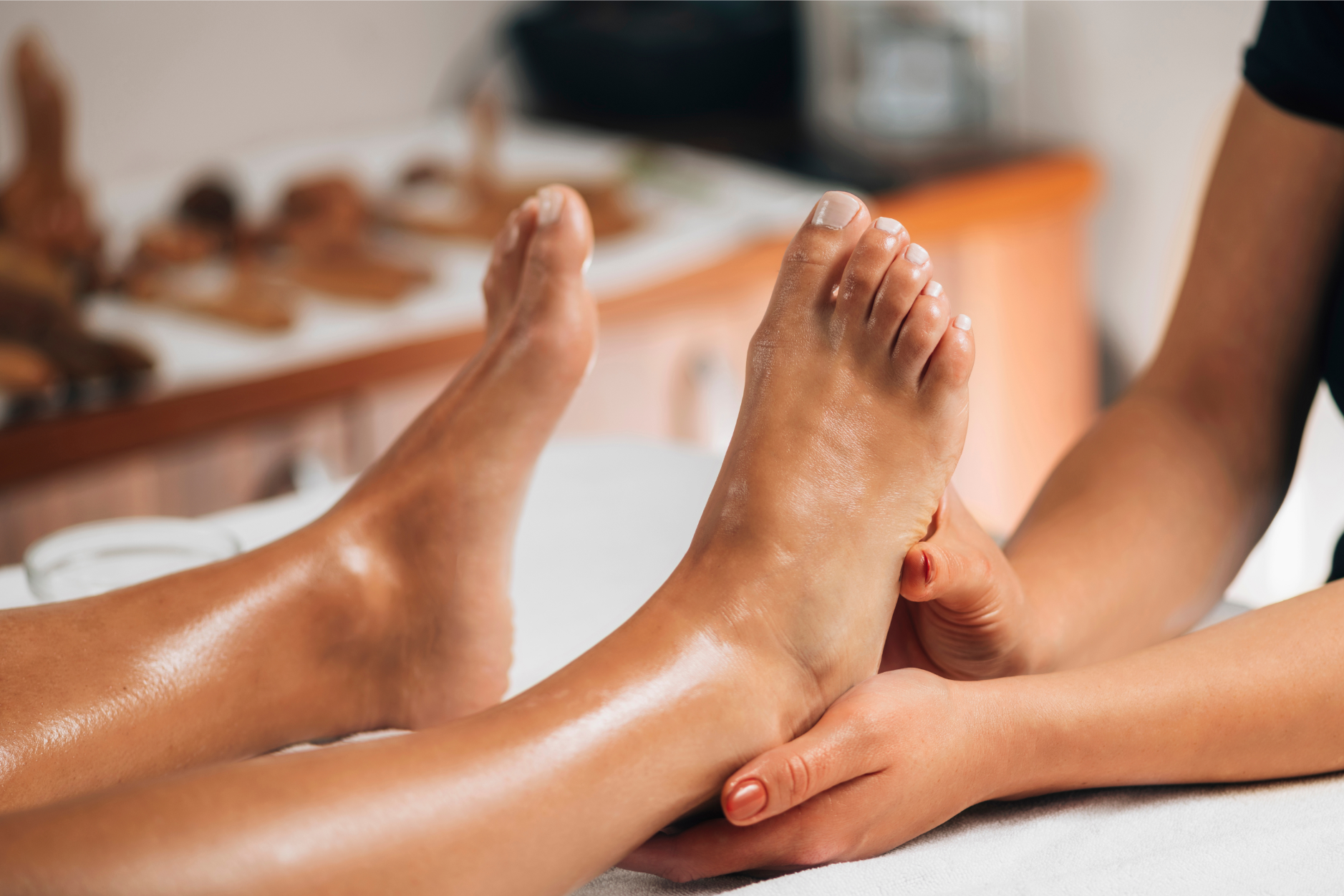
Massage benefits extend far beyond momentary relaxation. At a basic physiological level, massage manipulates soft tissues—muscles, tendons, ligaments, and fascia—to reduce tension, improve blood flow, and support drainage of lymphatic fluids. Those effects can help muscles recover from repetitive use or minor strains by increasing oxygen and nutrient delivery and helping remove metabolic waste. Massage techniques such as effleurage (long, gliding strokes), kneading, and friction work differently on tissues; some target surface tension and relaxation, while others, like deeper compression or trigger-point work, aim to release knots and adhesions.
Another important aspect of massage benefits is its effect on the nervous system. Gentle, rhythmic pressure often stimulates the parasympathetic nervous system, which encourages a relaxation response—lowering heart rate and breathing rate and promoting a sense of calm. Release of natural pain-relieving and mood-regulating chemicals, such as endorphins, can accompany this relaxation response; at the same time, massage may help reduce levels of stress-related hormones, creating a more balanced internal environment. Improved circulation and reduced muscle tightness combine to enhance mobility and range of motion, which is especially useful for people who spend long periods sitting, stand for work, or perform repetitive physical tasks.
Massage benefits are not one-size-fits-all. Different modalities—Swedish, sports, deep tissue, reflexology, or chair massage—offer specific focuses. Frequency and pressure should be adjusted to the individual’s needs and health background. For anyone exploring these benefits, understanding how massage affects tissues and the nervous system provides a useful foundation for choosing a style and setting goals for sessions.
Beyond the physical effects, massage benefits include powerful mental and emotional advantages. Regular sessions can help reduce perceived stress and anxiety by encouraging the body’s relaxation mechanisms and providing a structured time to slow down. The sensory experience of touch, combined with calming breathing and a focused environment, often promotes mindfulness and temporary detachment from everyday worries. For many people, that break from rumination can lead to clearer thinking and improved mood.
Sleep is another domain where massage benefits are commonly reported. By lowering bodily arousal and easing muscle tension, massage can make it easier to fall asleep and support deeper, more restorative sleep cycles. Because sleep quality is tightly linked to overall health, improvements in sleep can have downstream effects on concentration, immune function, and daytime energy. People who struggle with insomnia or fragmented sleep frequently note that massage helps them establish a more consistent wind-down routine.
Emotional regulation and resilience may also improve with recurring sessions. The calming influence of massage can reduce symptoms associated with chronic stress and mild depression by offering a consistent non-pharmacological tool for mood management. While massage is not a substitute for mental health treatment when needed, integrating massage benefits into a broader self-care plan can complement therapy, exercise, and sleep hygiene. Importantly, the mental and physical benefits interact: reduced muscle tension can make it easier to maintain good posture and comfortable movement, which in turn supports a more positive mental state.

Everyday Advantages of Massage — Stress Relief, Recovery, and Better Sleep
In summary, the massage benefits span physical, neurological, and emotional domains. Physically, massage can improve circulation, reduce muscle tension, support mobility, and assist recovery from everyday strain. Neurologically, it encourages the relaxation response and the release of natural mood regulators. Emotionally, regular massage sessions can reduce stress, support better sleep, and promote a steadier sense of well-being. Taken together, these effects make massage a versatile addition to a holistic self-care routine.
To apply these benefits effectively, start by clarifying personal goals—pain relief, stress management, sleep improvement, or recovery—and choose a modality that aligns with those aims. Prepare for sessions by communicating health history and comfort preferences, and follow simple aftercare such as gentle movement and hydration. For ongoing concerns, consider scheduling sessions at a cadence that addresses the issue directly (for example, more frequent care during flare-ups, less frequent for maintenance). Self-massage tools—foam rollers, massage balls, and targeted foot rollers—can extend the benefits between practitioner sessions.
Massage benefits are enhanced when combined with other healthy habits: consistent sleep, regular movement, adequate hydration, and mindful breathing. When used thoughtfully and in consultation with healthcare providers as needed, massage can be a practical, non-invasive way to support both short-term comfort and longer-term wellness goals.

Title
I'm a paragraph. Click here to add your own text and edit me. It's easy.
Title
I'm a paragraph. Click here to add your own text and edit me. It's easy.
Title
I'm a paragraph. Click here to add your own text and edit me. It's easy.