
October 5, 2026 at 4:39:28 AM
Massage Benefits: How Regular Massage Improves Body and Mind
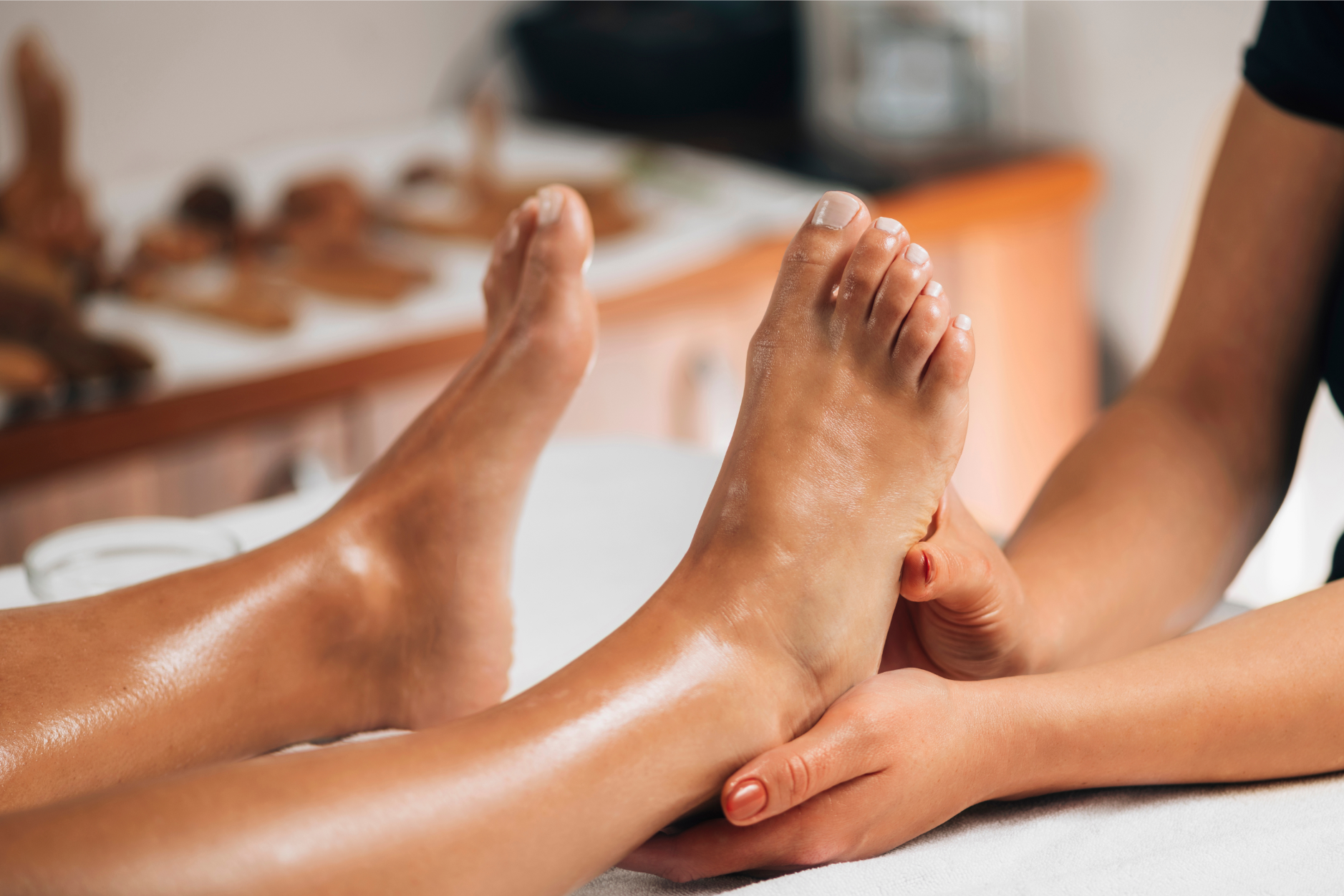
Massage benefits extend far beyond immediate relaxation. At a basic level, massage is the manual manipulation of soft tissues—muscles, tendons, ligaments and connective tissue—designed to reduce tension and restore balance. Many people first notice a sense of calm and reduced muscle tightness after a session, but the advantages can be broader and longer-lasting when massage is integrated into a wellness routine.
One of the most noticeable outcomes is reduced perceived stress. Massage encourages a shift away from chronic muscle guarding and the body’s heightened stress response, which helps people feel more at ease. Improved circulation is another commonly reported effect: when muscles relax, blood flow can increase to targeted areas, supporting oxygen and nutrient delivery. This circulation boost also supports the removal of metabolic byproducts from tissues.
Beyond muscles and circulation, massage promotes better movement patterns. By easing localized tension and improving tissue mobility, it can make everyday tasks more comfortable and range of motion more accessible. People often report better sleep and a clearer mind after treatment, likely because both physical strain and mental agitation are reduced.
It’s useful to think of massage benefits in layers. Immediate effects include relaxation and short-term pain relief. Secondary effects—seen with regular sessions—can include improved posture, greater flexibility, and enhanced recovery after physical activity. Because outcomes vary by individual and technique, communicating goals with a therapist helps tailor a plan that addresses specific concerns, whether that’s chronic stiffness, soreness after exercise, or simply consistent stress management.
This overview sets the stage for understanding how massage works at both physiological and psychological levels, and how those mechanisms translate into real-world improvements in comfort, movement and wellbeing.
At a physiological level, many massage benefits stem from interactions between the musculoskeletal and nervous systems. Manual pressure and stretching stimulate sensory receptors in skin and muscle, which can modulate pain signals and reduce muscle tone through spinal and brain pathways. That modulation often translates into a reduced perception of pain and less muscle guarding, which allows tissues to move more freely.
Massage also affects circulation and fluid dynamics. By applying directed pressure and release, therapists can encourage blood flow and support lymphatic drainage. Enhanced circulation helps deliver oxygen and nutrients to tissues while assisting the removal of metabolic waste products that can contribute to soreness. For people recovering from exercise or repetitive strain, these circulatory shifts can support recovery processes when combined with appropriate rest and active rehabilitation.
On the chemical side, massage is associated with shifts in neuromodulators that influence mood and pain perception. Sessions frequently coincide with increased sensations of wellbeing that many practitioners attribute to the release of endorphins and changes in neurotransmitters involved in mood regulation. There are also indications that massage can lower levels of stress-related hormones, promoting a calmer physiological state that supports sleep and cognitive focus.
Psychologically, a scheduled session creates a dedicated period for rest and self-care, which carries its own mental-health benefits. For people with anxiety or persistent tension, regular massage can become part of a coping toolkit that reduces overall stress load. It’s important to note that while massage supports mental and physical wellness, it works best alongside other healthy behaviors—adequate sleep, balanced nutrition, movement and professional medical care when needed.

Practical Ways to Choose and Maximize Massage for Lasting Relief
Practical steps before, during and after a session help solidify massage benefits and extend results beyond the treatment table. Before a session, think through your goals and any areas of concern so you can brief the therapist concisely. Hydrating before and after can support circulation and help the body process metabolic byproducts released from tissues. Wear comfortable clothing to and from your appointment to avoid re-tensing muscles.
During the massage, speak up about pressure level, temperature, and any sensations that feel uncomfortable; therapists expect feedback and can adjust techniques on the spot. If a specific area triggers sharp pain rather than a deep release, request gentler work or a change in approach. Breathing steadily and allowing the body to relax into each breath often enhances the nervous-system calming that contributes to many massage benefits.
Aftercare extends the session’s value. Gentle stretching, brief walks and continued hydration help maintain improved range of motion and circulation. If a session produces mild soreness, applying heat or a warm shower can ease that feeling; if unexpected or severe symptoms occur, seek professional advice. Consider pairing massage with other supportive habits—consistent sleep schedules, regular movement, ergonomic adjustments at work and stress-management practices—to compound gains.
In summary, massage benefits range from immediate relaxation and reduced muscle tension to longer-term improvements in movement, stress resilience and recovery capacity. Selecting the appropriate technique for your needs, communicating clearly with a therapist and following simple pre- and post-session practices can help you get the most from each appointment. When used thoughtfully and safely, massage can be a valuable component of a balanced wellness plan.

Title
I'm a paragraph. Click here to add your own text and edit me. It's easy.
Title
I'm a paragraph. Click here to add your own text and edit me. It's easy.
Title
I'm a paragraph. Click here to add your own text and edit me. It's easy.