
October 20, 2026 at 4:39:36 AM
Massage Benefits: How Regular Massage Enhances Health and Well-Being
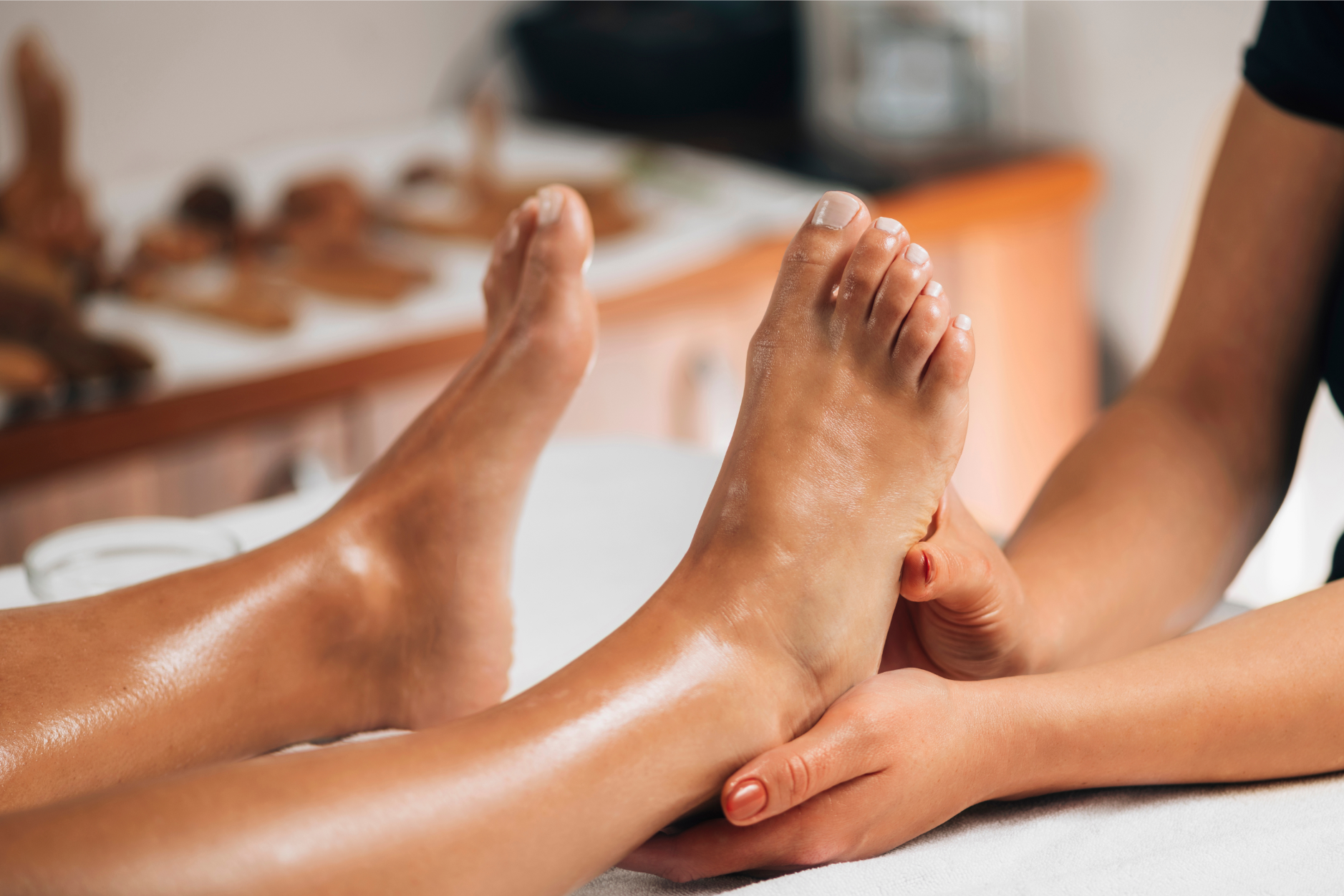
Massage benefits extend far beyond a temporary sense of relaxation. At the most basic level, massage influences muscles, connective tissue, circulation, and the nervous system. When pressure is applied deliberately to soft tissues, it can reduce muscle tension and encourage a parasympathetic response—the “rest and digest” state that counteracts the body’s stress reactions. That shift helps lower perceived stress, soothe anxious thoughts, and create a clearer mental state. Physically, massage stimulates blood flow to the area being treated. Increased circulation delivers oxygen and nutrients to muscle cells while helping remove metabolic waste products that accumulate after activity or prolonged tension. This supports tissue repair and shortens the time needed to feel less sore after exertion.
Beyond circulation, massage can influence range of motion and joint comfort. By working on tight muscle fibers and fascia, therapists help improve flexibility and reduce restrictions that can contribute to poor posture or repetitive strain. Many people also notice improvements in sleep quality after a massage session, thanks to reduced physical discomfort and the relaxation response. It’s also worth noting that massage benefits are cumulative for many people: while a single session can provide immediate relief, regularly scheduled treatments often produce more sustained changes in muscle tone, stress levels, and overall mobility.
Not all massage techniques produce identical outcomes. Factors such as pressure, rhythm, and targeted areas determine whether a session focuses on deep tissue release, gentle relaxation, or specialized therapeutic goals like lymphatic drainage. Understanding these basics helps you match the right approach to your health goals and sets the stage for the more specific physical benefits discussed next.
Physical improvements are among the most commonly reported massage benefits, and they span pain management, mobility, and recovery. For people dealing with chronic aches—such as neck pain, lower back discomfort, or tension headaches—massage can reduce localized muscle tightness that contributes to persistent pain. Therapists use techniques like trigger-point work, kneading, and stretching to release adhesions and ease pressure on surrounding structures. This often translates into less pain during everyday activities.
Massage also supports athletic recovery and general muscle maintenance. By enhancing circulation in targeted areas, it speeds the removal of metabolic byproducts like lactic acid and supplies oxygen-rich blood to tissues in need of repair. This can reduce post-exercise soreness and help muscles return to optimal function sooner. Increased tissue pliability from regular therapy supports greater joint range of motion, which reduces the risk of strains and improves overall movement quality.
Another physical area where massage benefits are notable is swelling and fluid balance. Techniques such as manual lymphatic drainage help move excess interstitial fluid and relieve edema after injury or certain medical procedures. While not a substitute for medical treatment, these approaches can complement care strategies when guided by a trained practitioner.
Finally, massage can support posture and ergonomics. Tight muscles frequently pull joints out of alignment over time; targeted soft-tissue work combined with corrective stretching can alleviate such imbalances, leading to improved posture and decreased repetitive strain. For people who spend long hours seated or standing, these physical adjustments contribute directly to daily comfort and function.

A Practical Guide to Massage Types, Safety, and How to Maximize Results
To get the most from massage benefits, consider safety, frequency, and practical aftercare. Frequency depends on goals: occasional sessions can promote relaxation and temporary relief, while regular treatments (weekly or biweekly) may be needed to address chronic muscle patterns or long-standing stress. Communicating clearly with your massage therapist about medical history, current medications, and any areas of sensitivity ensures sessions are both safe and effective. There are situations when massage should be modified or avoided, including open wounds, certain infections, uncontrolled blood pressure, active blood clots, and specific acute injuries; consulting a healthcare provider before booking a session is wise when health conditions are present.
Aftercare enhances and prolongs positive outcomes. Hydration helps flush metabolic byproducts released during therapy, while gentle stretching and mindful movement maintain the gains in mobility created during the session. Short periods of heat or contrast (heat followed by gentle movement) can soothe any transient soreness after a deep session. Tracking how you feel after different techniques and therapists helps refine what works best for your body and schedule.
Integrating massage into a wider self-care plan—paired with posture work, regular physical activity, sufficient sleep, and stress-management techniques—maximizes benefits for body and mind. While individual responses vary, many people find that consistent attention to soft-tissue health improves comfort, function, and quality of life. In summary, the massage benefits extend across pain relief, improved circulation, better sleep, emotional balance, and enhanced mobility when practiced thoughtfully and safely as part of overall wellness.

Title
I'm a paragraph. Click here to add your own text and edit me. It's easy.
Title
I'm a paragraph. Click here to add your own text and edit me. It's easy.
Title
I'm a paragraph. Click here to add your own text and edit me. It's easy.