
October 2, 2026 at 4:39:48 AM
Massage Benefits: How Regular Bodywork Supports Mind and Body Wellness
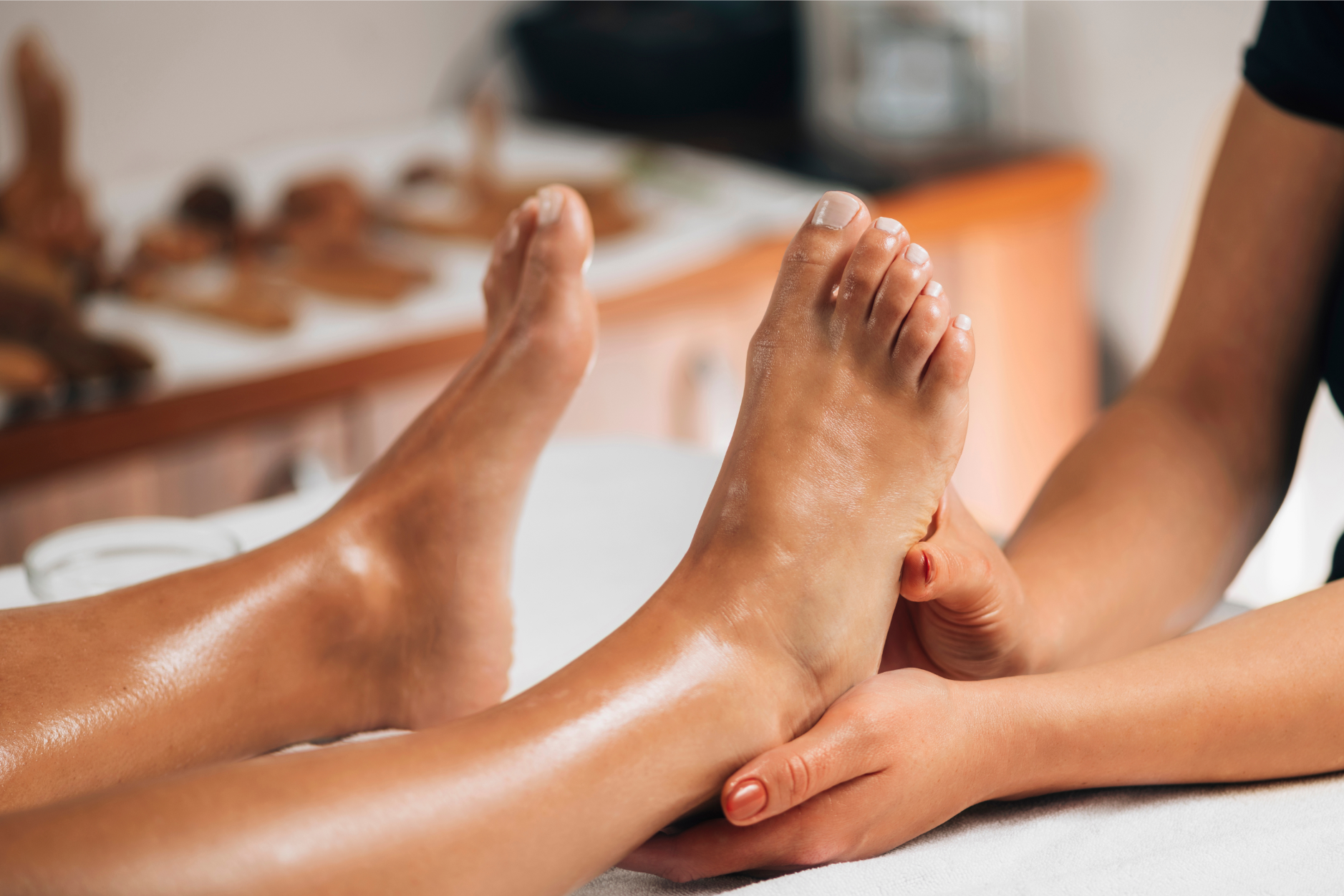
Massage benefits extend far beyond simple relaxation. At a basic level, massage is the manual manipulation of soft tissues—muscles, tendons, ligaments, and connective tissue—to address tension, improve comfort, and support recovery. The immediate sensation after a session is often one of calm, but the advantages can reach into daily energy, movement, and emotional balance. People seek massage for many reasons: to ease persistent muscle tightness, reduce the burden of daily stress, or simply to carve out restorative time in a busy schedule. The collection of effects—reduced muscle tension, improved circulation, and a quieter nervous system—are what most clinicians and wellness providers categorize as “massage benefits.”
Different modalities emphasize different outcomes. Swedish massage focuses on long, flowing strokes to encourage circulation and relaxation. Deep tissue addresses deeper layers of muscle to target chronic tension and adhesions. Reflexology concentrates on applying pressure to reflex points, often on the feet and hands, to promote relaxation and support overall well-being. While techniques vary, they share core mechanisms: modulation of muscle tone, stimulation of local blood and lymph flow, and activation of the parasympathetic nervous system, which helps the body shift away from stress-response physiology.
When considering massage as part of a wellness plan, consistency matters. Occasional sessions can provide immediate relief, but regular bodywork often produces more sustained improvements in comfort, sleep, and mood. It’s also helpful to combine massage with other healthy habits—hydration, gentle movement, and adequate sleep—to amplify outcomes. Understanding the range of massage benefits helps people choose the right type of session for their goals and work more effectively with a therapist to get the most from each visit.
Many of the most tangible massage benefits are physical. One of the primary effects is relief from muscle tension: targeted pressure and stretching help lengthen shortened muscle fibers, soften tight knots, and restore smoother movement. That can translate into decreased stiffness, improved flexibility, and a wider range of motion, which are useful whether you’re recovering from repetitive strain, managing chronic aches, or simply trying to move more comfortably during daily life.
Circulation is another key area where massage can help. Manipulating soft tissue encourages blood to move through capillary beds and venous return, delivering oxygen and nutrients to tissues while aiding the removal of metabolic byproducts. Improved circulation can support recovery after physical exertion and may speed the resolution of localized soreness. Relatedly, gentle lymphatic work assists lymph drainage, which can reduce swelling and help the body manage inflammatory responses.
Massage can also influence pain perception. By stimulating large-diameter nerve fibers and modulating the nervous system’s processing of signals, massage may lessen the intensity of pain sensations in some people. Techniques aimed at specific trigger points or adhesions can release restricted areas that contribute to referred pain patterns. For those rehabilitating from minor injuries or working to maintain an active lifestyle, integrating massage into a broader care plan—alongside movement therapy, strengthening, and ergonomic adjustments—can be a practical approach to sustaining function.
It’s worth noting that not every technique suits every condition. Communicating openly with the therapist about pain, medical history, and goals ensures the physical benefits are pursued safely and effectively.

Everyday Advantages of Therapeutic Touch for Physical and Mental Balance
To get the most from massage benefits, a few practical steps help optimize each session and the days around it. Before your appointment, communicate clearly with your therapist about pain, medical history, medication, and specific goals—whether you want relaxation, targeted pain relief, or improved mobility. During the session, give feedback about pressure and comfort; adjustments in technique can greatly influence outcomes. After a massage, simple aftercare such as drinking water, taking a gentle walk, and resting as needed supports circulation and helps clear metabolic byproducts released from tissues.
Choosing the appropriate modality matters. If you have widespread muscle soreness and general stress, a relaxation-focused approach may be most helpful. For stubborn tightness or scar-related restrictions, a deeper, more targeted technique could be appropriate, always within comfort and safety limits. If you have health conditions—circulatory disorders, recent surgery, blood-clotting issues, or certain skin conditions—consult your healthcare provider before scheduling bodywork and let your therapist know so they can adapt the session.
Self-care between appointments reinforces benefits: gentle stretching, hydration, heat or cold as appropriate, and mindful breathing can extend relief. Simple self-massage tools—foam rollers, massage balls, or handheld massagers—can help maintain tissue mobility, but use them carefully and stop if they increase pain. Finally, treat massage as one piece of a broader wellness strategy that includes movement, sleep, nutrition, and stress-management practices.
In summary, massage benefits encompass physical relief, enhanced circulation, and emotional balance. When integrated thoughtfully into a routine and tailored to individual needs, regular bodywork can support comfort, function, and a calmer daily experience—making it a valuable tool for many people seeking a more balanced life.

Title
I'm a paragraph. Click here to add your own text and edit me. It's easy.
Title
I'm a paragraph. Click here to add your own text and edit me. It's easy.
Title
I'm a paragraph. Click here to add your own text and edit me. It's easy.