
November 2, 2026 at 3:39:34 AM
Massage Benefits: A Guide from Paradise Foot Spa
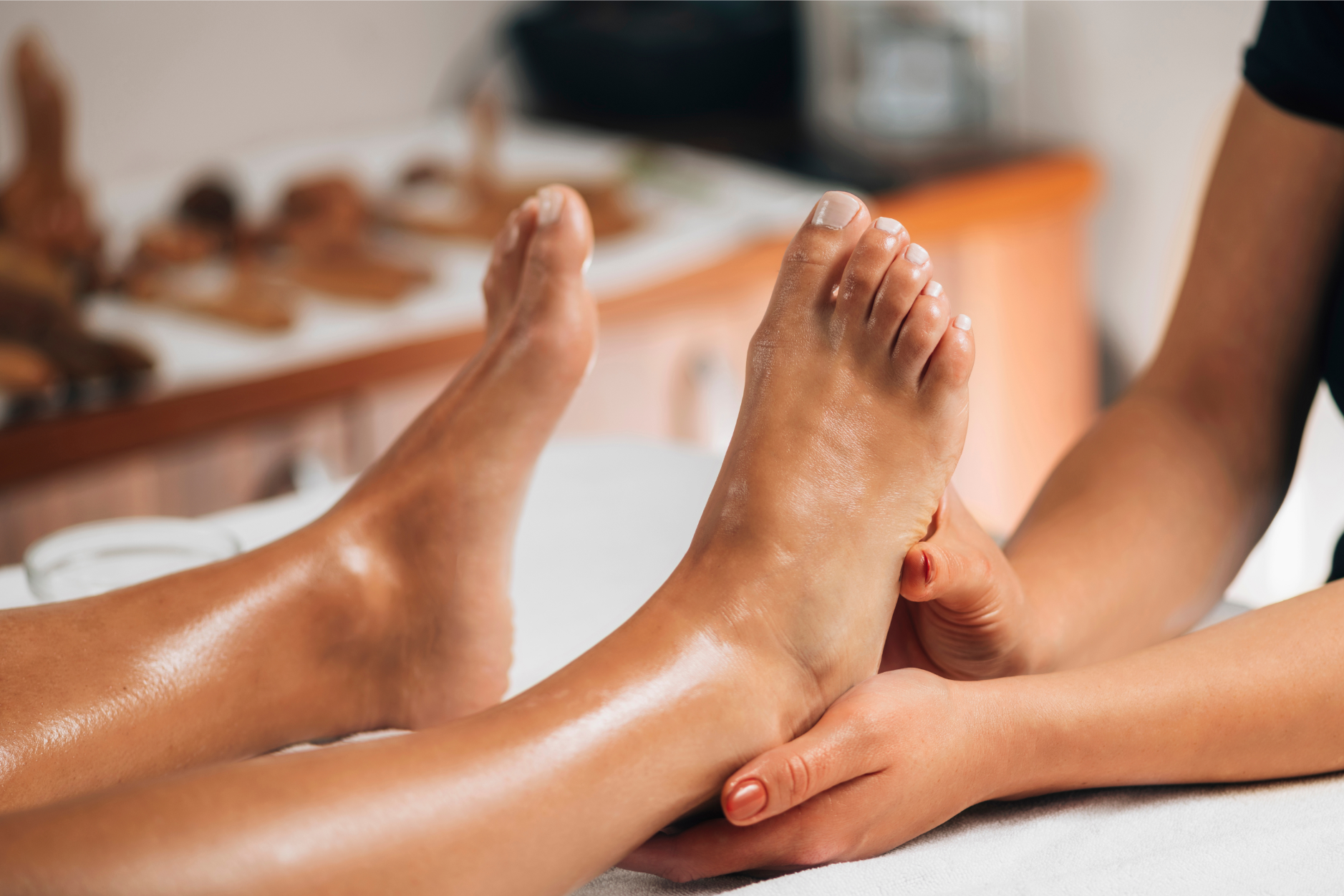
Massage benefits reach beyond momentary relaxation; they reflect a mix of physical and nervous-system effects that support general well-being. At a basic level, massage works by manipulating soft tissues—muscles, tendons, ligaments, and fascia—which can help reduce tightness and improve mobility. Pressure and movement applied during a session encourage blood flow to the treated area, which supports nutrient delivery and helps remove metabolic waste. The lymphatic system also receives gentle stimulation from massage, which can promote fluid balance and support recovery after strenuous activity.
Beyond circulation, massage interacts with the nervous system in ways that favor relaxation. Moderate pressure can activate the parasympathetic (“rest and digest”) response, helping to lower heart rate and encourage a calmer state of mind. This shift can reduce the intensity of stress sensations and make it easier to fall asleep or unwind after a busy day. For people experiencing persistent muscle tension, massage can interrupt cycles of tightness and pain by encouraging muscles to release and by helping the brain relearn more comfortable movement patterns.
Different techniques emphasize different outcomes. Lighter, rhythmic strokes tend to be calming and are often used for general relaxation and stress relief. Firmer, targeted approaches work to address deeper knots and adhesions that limit movement. Reflexology and foot-focused treatments concentrate on specific reflex points that some find particularly soothing and beneficial for foot comfort.
When considering massage benefits, it’s helpful to view them as complementary to other healthy habits—hydration, sleep, movement, and appropriate medical care. Massage is not a cure-all, but when integrated thoughtfully into a wellness routine, it can support improved comfort, better sleep, and a greater sense of physical ease.
The practical massage benefits people most often notice include pain relief, improved range of motion, and enhanced mental balance. For localized discomfort—such as tight calves, sore shoulders, or stiff neck muscles—skilled manual work can reduce tension and temporarily lessen pain by releasing tight spots and improving tissue glide. For individuals recovering from mild soft-tissue overuse, regular massage sessions may help manage soreness and support gradual return to normal activity, provided any underlying conditions are being monitored by a healthcare professional.
Flexibility and joint mobility often improve after massage because loosened muscles allow joints to move more freely. This can make daily activities feel easier and reduce the risk of compensatory strain in other parts of the body. Many people also report better sleep following a massage, likely due to a combination of lowered physiological arousal and relief from discomfort that can interrupt rest.
The benefits extend into mood and stress management. Massage can encourage release of tension that accumulates with chronic stress, providing a structured period of calm and body awareness. For people coping with anxiety or situational stress, this dedicated downtime can be a meaningful support. Some clients also find that the focused touch and slowed pace of a massage helps interrupt cycles of worry by anchoring attention in the present moment.
Other reported benefits include temporary reduction of headaches related to muscle tightness and improved comfort in the feet and lower legs after targeted treatments. While responses vary from person to person, combining regular massage with stretching, appropriate exercise, and sleep hygiene often amplifies and sustains these positive outcomes.

How Massage Supports Physical Comfort and Mental Well-Being
Maximizing massage benefits often comes down to a few practical habits and realistic expectations. Before an appointment, arrive rested and hydrate; well-hydrated tissues respond better to manual techniques. During a session, provide ongoing feedback about pressure and comfort—therapists adjust best when they know what feels helpful or painful. Afterward, prioritize gentle movement and stretching to maintain the release achieved in the session and drink water to support circulation and metabolic cleanup.
Self-massage tools and simple techniques can extend benefits between professional visits. For foot care, rolling a small ball under the arch for a few minutes can reduce tightness and increase circulation. Foam rollers and massage balls work well for larger muscle groups like calves and hamstrings—use slow, deliberate pressure and avoid pushing into sharp pain. Short, daily routines of ankle mobility, calf stretches, and foot articulation help sustain comfort, especially for people on their feet a lot.
Choosing a qualified therapist is important: look for licensed practitioners with clear protocols for intake, sanitation, and communication. Ask about training, areas of specialization, and typical session structure so expectations align. If a treatment provokes unexpected pain, numbness, or prolonged swelling, pause sessions and consult a healthcare provider.
In summary, massage benefits include relief from muscle tension, improved circulation and mobility, better sleep, and supportive stress reduction. These outcomes are most reliable when massage is integrated with healthy lifestyle choices and adapted to individual needs. Discuss any medical concerns with a healthcare professional before beginning regular sessions to ensure safety and the best possible results.

Title
I'm a paragraph. Click here to add your own text and edit me. It's easy.
Title
I'm a paragraph. Click here to add your own text and edit me. It's easy.
Title
I'm a paragraph. Click here to add your own text and edit me. It's easy.