
October 12, 2026 at 8:29:55 AM
How Regular Massage Enhances Body and Mind
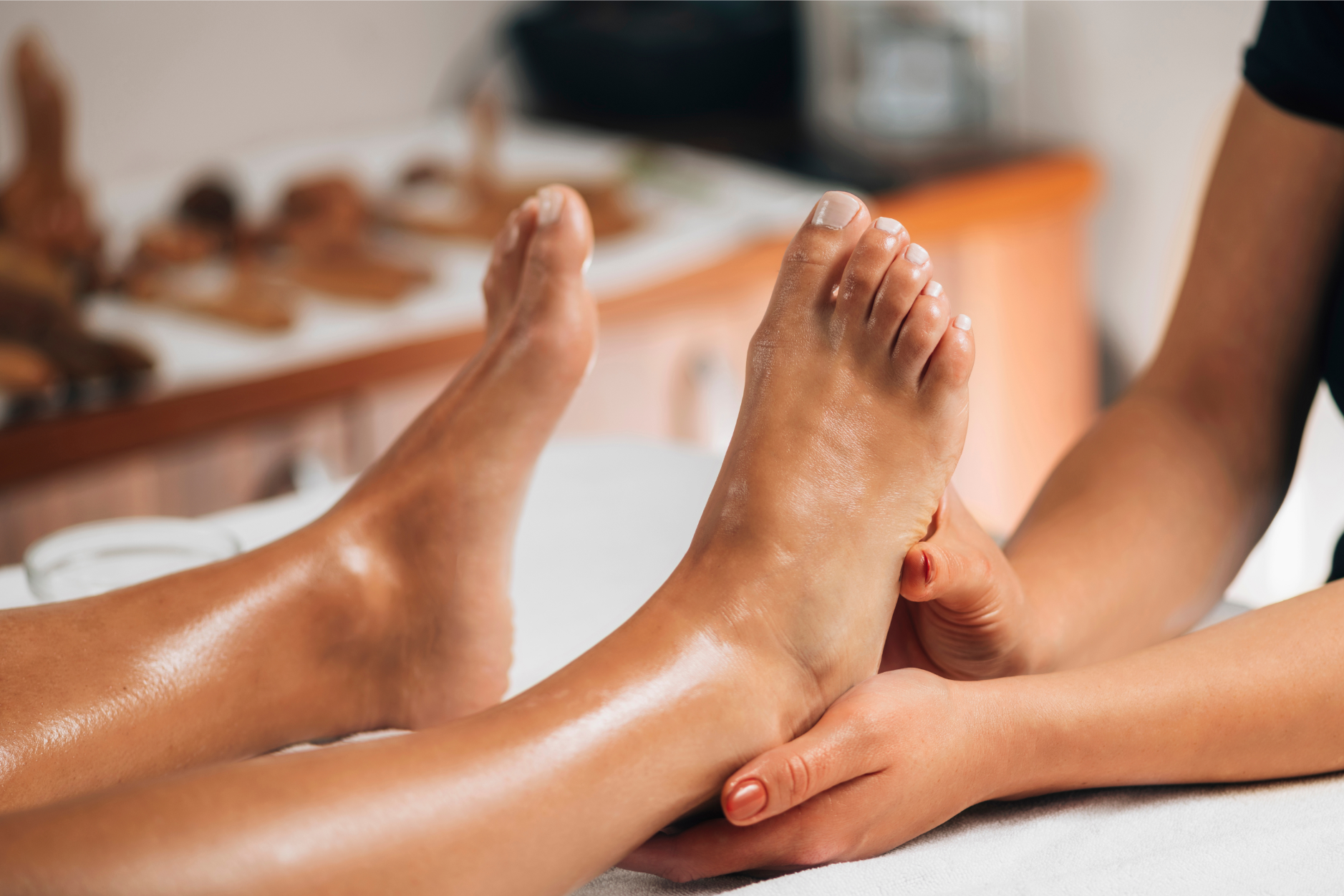
Massage benefits extend far beyond a momentary sense of relaxation; they arise from measurable effects on muscles, circulation, the nervous system and emotional regulation. At a basic level, massage stimulates blood flow to soft tissues, which delivers oxygen and nutrients while assisting in the removal of metabolic waste. Mechanical manipulation of muscle fibers and connective tissue helps reduce stiffness and break up adhesions that can limit range of motion. Meanwhile, gentle pressure and stroking activate cutaneous receptors that interact with the nervous system, leading to decreased sympathetic arousal and an increase in parasympathetic activity—this shift promotes calm, slower heart rate, and lower blood pressure.
Neurochemical changes accompany these physical effects. Massage has been linked to reductions in stress hormones such as cortisol alongside boosts in neurotransmitters associated with well-being, including serotonin and dopamine. These changes create a physiological context in which pain perception can be altered and mood improved. For people managing chronic discomfort or acute muscle tension, regular sessions can interrupt pain cycles by addressing both the tissue state and the nervous system’s sensitivity.
Massage benefits also depend on technique and intent. Lighter, rhythmic strokes tend to be relaxing and supportive of circulation, whereas targeted, deeper work addresses knots and chronic tension. Frequency and session length influence outcomes: a single session can bring immediate relief and relaxation, while routine massage contributes to sustained improvements in mobility, sleep quality and stress resilience. Understanding the range of effects helps decide which style and schedule will best match individual needs, whether the priority is recovery after physical activity, ongoing pain management, or general stress reduction.
Among the most tangible massage benefits are improved pain management, enhanced recovery and greater mobility. For many people, massage reduces the intensity of muscle soreness after physical exertion by promoting circulation and supporting lymphatic drainage, which helps clear metabolites that build up during exercise. Techniques that focus on soft tissue, such as myofascial release or targeted deep work, can loosen tight bands of muscle and connective tissue, improving flexibility and joint range of motion. That greater mobility often translates to better movement patterns and a reduced risk of compensatory injuries.
Massage can also play an adjunct role in managing chronic musculoskeletal conditions. By decreasing muscle guarding and interrupting pain-spasm cycles, it can make other treatments—like exercise therapy or posture correction—more effective. For people with tension headaches or neck discomfort, targeted neck and shoulder work often alleviates referred pain by addressing trigger points and restoring balanced muscle length.
Circulatory benefits extend beyond immediate blood flow: repeated sessions assist venous return and lymphatic movement, which can help reduce localized swelling and support tissue health. While massage is not a substitute for medical intervention when structural issues are present, it frequently complements rehabilitation and pain-management plans. Post-session effects commonly include decreased perceived pain and increased comfort during daily activities, making movement easier and more sustainable. Those seeking specific outcomes should communicate goals with a therapist so techniques and intensity match the intended physical benefits.

Practical Ways Massage Benefits Daily Life
To maximize massage benefits, integrate sessions into a broader self-care routine and adopt simple practices before and after a session. Hydration supports circulation and metabolic clearance, so drinking water after a massage helps remove released toxins and byproducts. Gentle mobility work or stretching following deeper sessions helps maintain the improvements in range of motion achieved during treatment. Combining massage with regular movement—walking, targeted strengthening, or mobility exercises—reinforces gains and reduces the likelihood of tension returning quickly.
Frequency depends on goals: a weekly session may be ideal for managing chronic tension or high training loads; biweekly or monthly visits often suffice for maintenance and stress relief. For those on a budget or with limited access, self-massage tools (foam rollers, massage balls, or handheld devices) can extend benefits between professional treatments when used thoughtfully and within comfort limits. When booking a session, prioritize clear communication about desired outcomes and any health concerns; this ensures techniques align with personal needs and safety considerations.
In summary, massage benefits span physical recovery, pain management, circulation and emotional well-being. Regular, appropriately tailored sessions combined with hydration, movement and honest communication with a therapist create the best conditions for lasting improvement. Whether used occasionally for relaxation or routinely for therapeutic support, massage is a versatile tool that contributes to a healthier, more resilient body and mind.

Title
I'm a paragraph. Click here to add your own text and edit me. It's easy.
Title
I'm a paragraph. Click here to add your own text and edit me. It's easy.
Title
I'm a paragraph. Click here to add your own text and edit me. It's easy.