
November 17, 2026 at 3:39:30 AM
How Massage Benefits Your Body and Mind
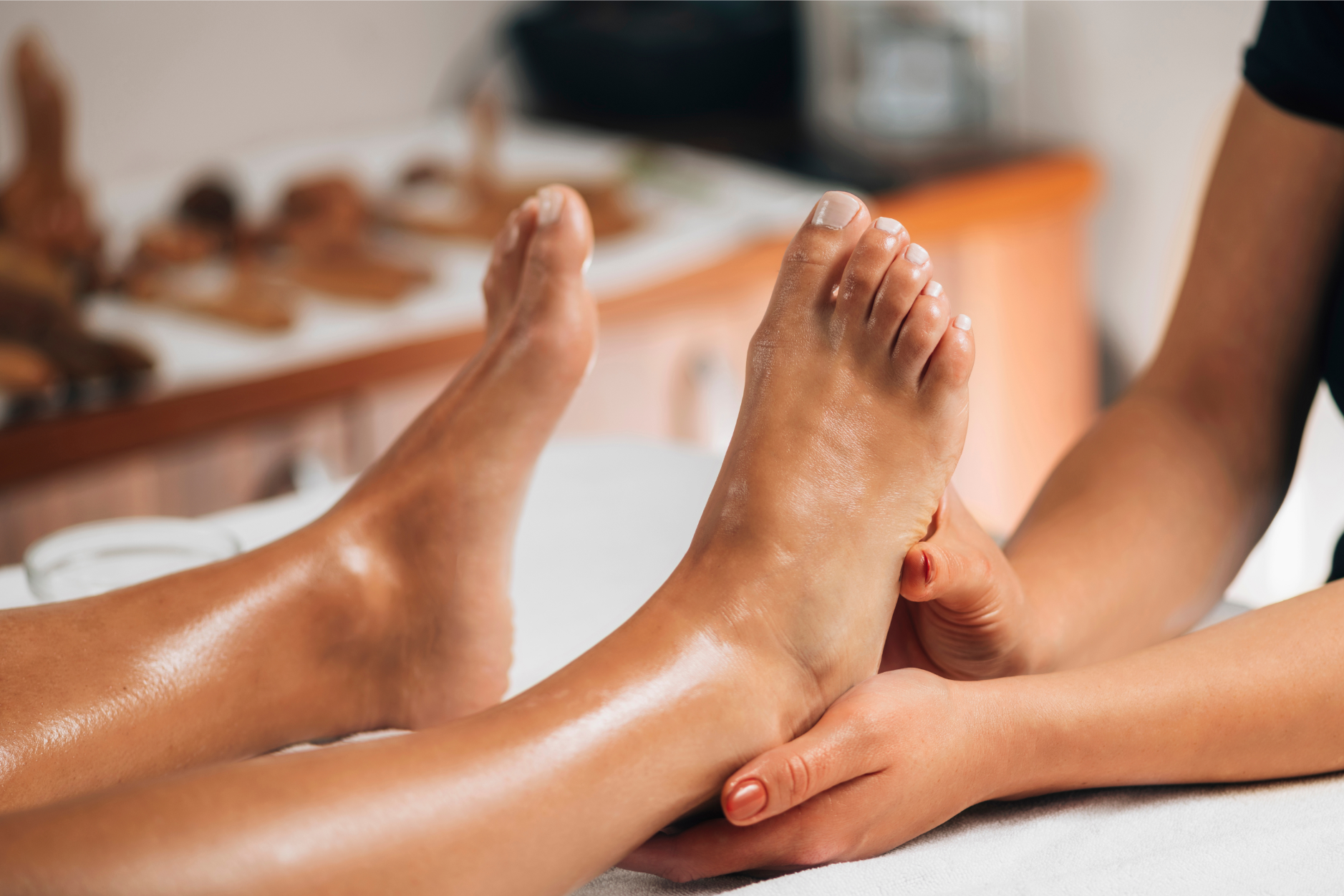
Massage benefits span physical, emotional, and functional areas of health, making hands-on bodywork a versatile tool for many people. At its core, massage involves manipulating soft tissues—muscles, fascia, tendons, and ligaments—to ease tension, improve mobility, and promote relaxation. Physiologically, gentle pressure and targeted techniques can increase local blood flow, support lymphatic drainage, and reduce muscle tightness. These effects help nutrients reach tissues more effectively and assist in clearing metabolic byproducts that accumulate after activity.
On the neurological side, massage can influence the nervous system by shifting balance toward the parasympathetic state, often described as “rest and digest.” That shift may lead to lowered heart rate, reduced breathing rate, and a calmer mental state. The act of touch itself can also trigger the release of mood-regulating signaling molecules, which many people experience as reduced anxiety and a greater sense of well-being.
Beyond immediate sensations of relief, regular massage can contribute to longer-term improvements in posture and movement patterns by addressing persistent muscle imbalances and adhesions that limit range of motion. It is not a single solution for every condition, but when combined with appropriate exercise, stretching, and medical advice as needed, massage becomes a supporting element in a broader health plan. Understanding the varied mechanisms—circulatory, lymphatic, neurological, and musculoskeletal—helps set realistic expectations for how and why massage benefits different people in different ways.
The practical outcomes of massage benefits often show up in everyday activities: moving more freely, experiencing less pain, sleeping better, and feeling more centered during stress. For people living with chronic muscle tension, targeted techniques such as myofascial release or trigger-point therapy can relieve tight spots that contribute to persistent discomfort in the neck, shoulders, and lower back. For athletes or active individuals, sports-oriented massage can support muscle recovery, reduce stiffness, and enhance flexibility by addressing specific muscle groups used in training.
Stress relief is another widely reported effect; even shorter sessions focused on relaxation can lower perceived stress and promote restorative sleep. Improved sleep quality then supports recovery and cognitive clarity, which reinforces the overall value of including massage in a wellness routine. Circulation-related benefits—better blood flow and lymph movement—can ease swelling and promote nutrient delivery to tissues, supporting healing processes when combined with appropriate medical care.
Not all techniques are suitable for every situation. Deep pressure may be helpful for chronic tension but can be counterproductive for acute inflammation, recent injuries, or certain medical conditions. That’s why a clear conversation with a trained practitioner about symptoms, medical history, and comfort preferences is essential. Knowing which approaches match your needs helps ensure the benefits of massage are both safe and effective.

Practical Ways to Use Massage for Everyday Wellness
Choosing a massage approach that aligns with individual needs makes it easier to realize lasting massage benefits. Look for qualified practitioners who hold appropriate credentials and are willing to discuss techniques, session length, and contraindications before starting care. Be transparent about medical conditions, medications, recent injuries, or pregnancy so treatments can be modified for safety. Set realistic goals for what massage can accomplish—pain reduction, improved range of motion, stress management—and evaluate progress over multiple sessions rather than expecting immediate, permanent changes.
Safety precautions matter: avoid massage on inflamed or infected areas, during fevers, or when blood-clotting issues are present without medical clearance. If discomfort arises during a session, asking the therapist to adjust pressure or technique often resolves the issue without stopping the treatment. Finally, consider massage as one element of a comprehensive wellness plan that includes movement, sleep hygiene, balanced nutrition, and appropriate medical care when necessary. Used thoughtfully, massage offers a practical, evidence-informed route to greater comfort, better function, and improved mental calm.

Title
I'm a paragraph. Click here to add your own text and edit me. It's easy.
Title
I'm a paragraph. Click here to add your own text and edit me. It's easy.
Title
I'm a paragraph. Click here to add your own text and edit me. It's easy.