
October 7, 2026 at 8:29:56 AM
Everyday Renewal: The Wide-Ranging Benefits of Massage
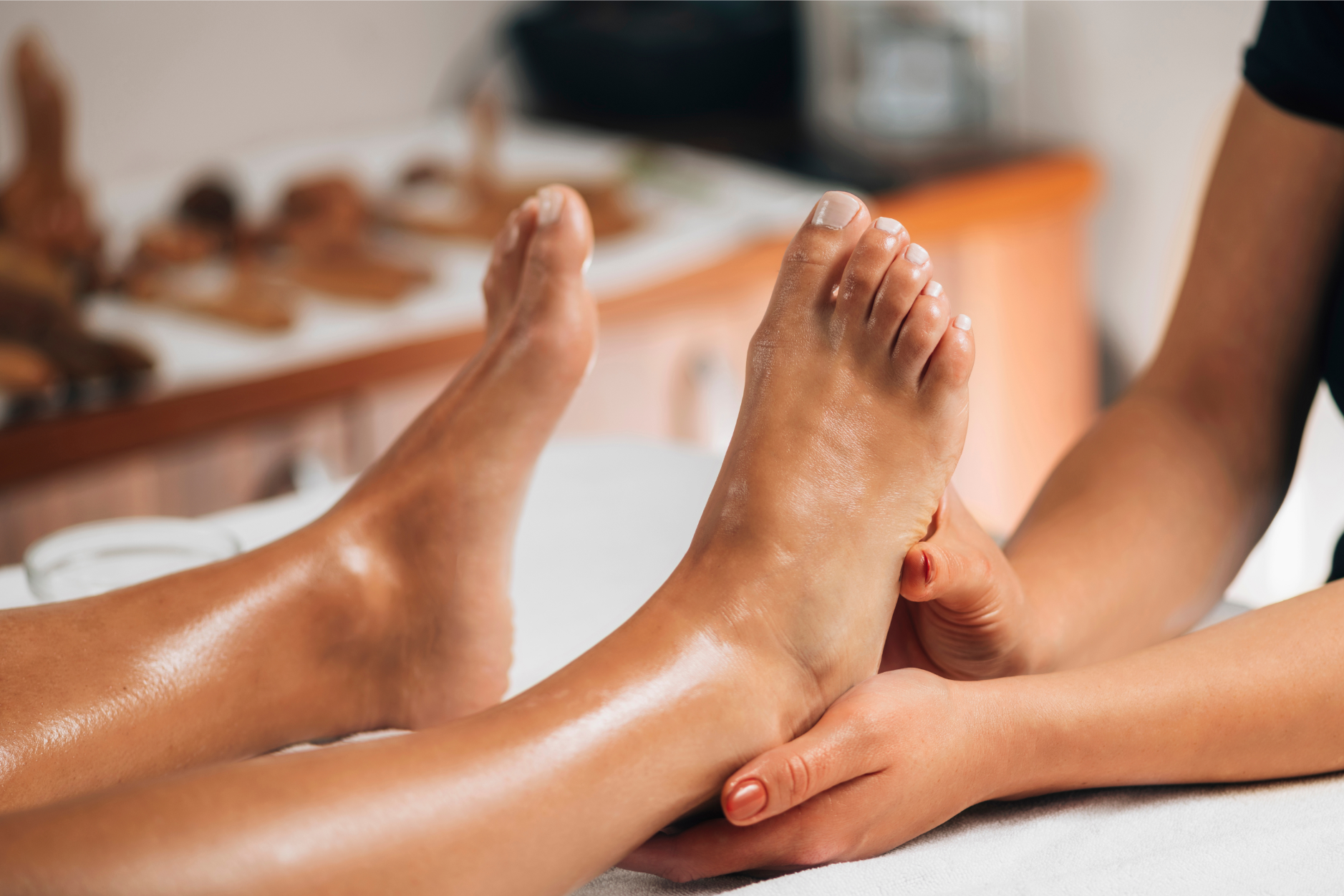
Massage benefits extend well beyond the immediate feeling of relaxation—regular bodywork influences circulation, muscle tone, nervous system balance, and overall well-being. At its core, massage is the manual manipulation of soft tissues—muscles, tendons, ligaments, and fascia—using pressure, stretching, and rhythmic strokes. Those techniques produce immediate sensory effects and trigger physiological responses that contribute to both short-term relief and longer-term wellness.
Physically, massage can reduce localized tension by releasing tight muscles and encouraging better tissue mobility. This improves range of motion and makes daily movement easier. On a circulatory level, manual pressure helps move blood through congested areas and supports lymphatic drainage, which assists the body’s natural removal of metabolic waste. That combination of improved flow and tissue relaxation is often what people describe as feeling lighter or less stiff after a session.
Mentally and emotionally, massage benefits include a reduction in perceived stress and a shift toward the body’s restorative “rest-and-digest” state. The sensory input from touch and the calming environment typical of massage sessions help lower arousal and promote a sense of calm. For many, this translates into better sleep, improved mood, and clearer recovery from daily or cumulative strain.
Because “massage benefits” span physical, neurological, and psychological domains, individual results vary with technique, pressure, frequency, and personal health status. Understanding the mechanisms behind those benefits helps in choosing the right kind of session and setting realistic expectations. The next section looks more closely at the core physical advantages people tend to experience and why they occur.
One of the clearest massage benefits lies in pain management and muscle recovery. By mechanically manipulating soft tissue, therapists help reduce muscle knots and adhesions that create localized pain or refer pain to other areas. This can be especially useful for common complaints like neck stiffness, lower back soreness, and tension from prolonged sitting or repetitive motion.
Improved circulation is another tangible effect. Massage stimulates blood flow through constriction and release of vessels in the treated area, delivering oxygen and nutrients to tired or injured tissues and aiding repair. Enhanced lymphatic movement supports the removal of cellular waste and excess fluid, which can decrease swelling and promote faster recovery after overuse or mild injury.
Flexibility and joint mobility often improve with regular sessions. When muscle tension and fascial restrictions are eased, joints can move through a fuller range without compensatory strain. That benefit supports athletic performance, daily function, and injury prevention by reducing compensatory movement patterns that might otherwise overload other structures.
Massage also contributes to soft-tissue remodeling. For chronic strains or postural imbalances, targeted techniques can gradually change tissue quality and alignment, especially when combined with stretching, exercise, and ergonomic adjustments. However, the degree of change depends on consistency—single sessions often provide symptomatic relief, while a planned series of sessions paired with active self-care tends to produce more durable improvements.
Safety and appropriateness matter: people with certain medical conditions, recent surgeries, or active infections should consult their healthcare provider before scheduling a session. Discussing goals and medical history with the therapist helps ensure the chosen approach maximizes the physical benefits while minimizing risks.

How Massage Supports Body, Mind, and Recovery
Understanding massage benefits helps frame realistic expectations and build a practical plan for care. For many people, short-term relief follows a single session: decreased tension, improved mobility, and a noticeable sense of calm. For sustained change—such as addressing chronic pain, improving posture, or supporting athletic recovery—regular sessions combined with active self-care (stretching, strengthening, posture work) are usually more effective than sporadic treatment.
Aftercare is simple but important. Drinking water supports circulation and lymphatic clearance, while gentle movement and light stretching help maintain the gains achieved during a session. Avoiding intense exercise immediately after deep or intense work gives tissues time to settle. If soreness occurs, a warm shower or ice depending on the therapist’s guidance can ease discomfort.
Safety considerations should guide decision-making. People with certain health concerns—acute infections, uncontrolled blood pressure, recent deep vein thrombosis, or some dermatological conditions—should obtain medical clearance before receiving massage. Pregnancy, cancer, and chronic illnesses may require modified techniques or specialized therapists. Always disclose relevant medical history and medications to the massage professional so they can adapt treatment appropriately.
As a nonpharmacological option, massage benefits span pain relief, improved circulation, greater flexibility, and enhanced mental well-being. Talk with a licensed therapist or your healthcare provider to determine a frequency and approach that aligns with your goals, medical background, and lifestyle. With thoughtful selection of technique and consistent self-care, massage can be a practical, restorative element in a broader wellness routine.

Title
I'm a paragraph. Click here to add your own text and edit me. It's easy.
Title
I'm a paragraph. Click here to add your own text and edit me. It's easy.
Title
I'm a paragraph. Click here to add your own text and edit me. It's easy.