
November 19, 2026 at 7:30:08 AM
Everyday Relief: Understanding the Wide-Ranging Massage Benefits
Massage is a hands-on therapy that uses pressure, movement, and manipulation of soft tissues to promote comfort and well-being. While techniques vary—from gentle Swedish strokes to focused trigger-point work—most approaches share a common goal: to ease tension and support the body's natural ability to heal. When people search for massage benefits, they are usually looking for practical ways to reduce pain, recover faster from physical activity, and manage daily stress. Those outcomes flow from several basic physiological effects that massage can trigger: increased blood flow to tissues, release of tight muscles and adhesions, stimulation of the lymphatic system, and activation of the parasympathetic nervous system, which helps the body shift from “fight-or-flight” to a calmer state.
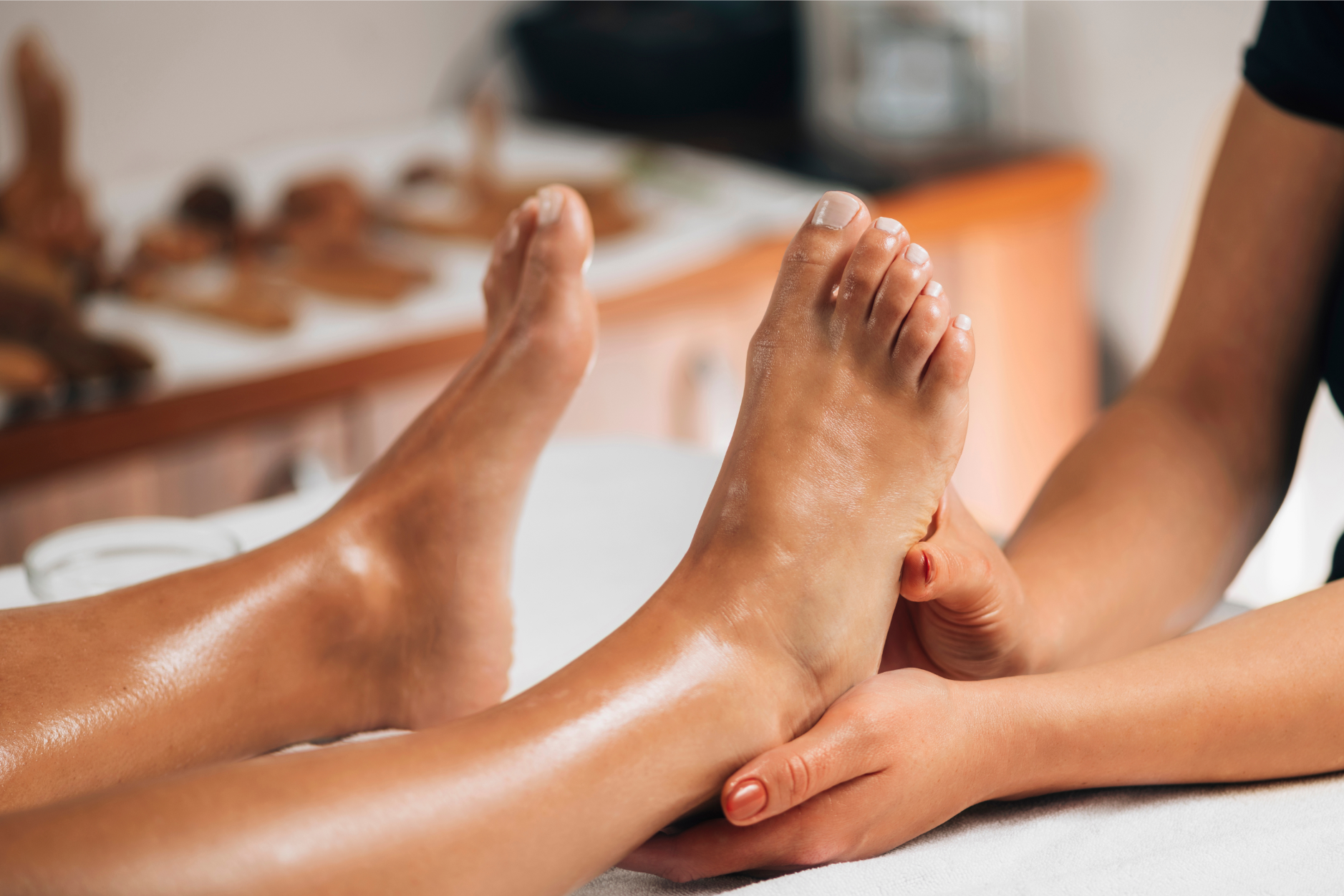
Beyond these foundational effects, massage can be tailored to specific needs. For example, foot-focused work often includes reflexology or targeted pressure to ease plantar soreness and promote overall relaxation, while sports massage emphasizes techniques that support muscle recovery and range of motion. Because massage is adaptable, it can be incorporated into a wellness routine for people with diverse goals: pain management, improved sleep, enhanced mobility, or simply a pause from a busy schedule. Understanding massage benefits starts with recognizing this adaptability: the right session depends on the issue you want to address and how your body responds. The following section explores how those core effects translate into measurable improvements in physical comfort and function, highlighting what many clients report after consistent sessions.
One of the most immediately noticeable massage benefits is relief from muscle tension and soreness. Manual pressure helps soften tight muscle fibers and break up adhesions that limit movement. For people who sit for long hours, repeated pressure on chronically tight neck, shoulder, or lower-back muscles can restore a more comfortable range of motion and reduce recurring aches. Athletes and active adults often choose targeted sessions to support recovery: techniques such as friction, compression, and stretching can help move metabolic waste from muscles and ease post-exertion stiffness.
Massage also supports improved circulation. Manipulating soft tissues can encourage blood flow to targeted areas, delivering oxygen and nutrients that help tissues repair and function. At the same time, work focused on lymphatic drainage uses light, directed strokes to assist the lymphatic system in clearing excess fluid and cellular debris, which can reduce swelling and contribute to a feeling of lightness. Improved circulation and reduced fluid buildup together create an environment more conducive to healing and resilience.
For people managing chronic pain conditions—such as persistent low-back pain or tension headaches—regular sessions can be part of a broader strategy to reduce symptom intensity and frequency. While massage is rarely a cure-all, it can complement physical therapy, exercise, and ergonomic adjustments by addressing soft-tissue contributors to pain. It can also help improve posture by relaxing overactive muscles and permitting more efficient movement patterns. With consistent care, these physical changes often lead into mental and emotional improvements, which are discussed in the next section.

How Regular Massage Supports Your Body, Mind, and Recovery
Choosing the right massage approach starts with your goals and any health considerations. If your primary objective is general relaxation and stress relief, gentler styles like Swedish massage are often a good match. For targeted pain or sports recovery, ask about therapies that include deeper tissue work, myofascial release, or active stretching. Foot-centered modalities—such as reflexology or focused foot massage—can be selected when plantar discomfort, edema, or localized tension is the main concern. Communicate openly with your therapist about pressure preferences, sensitive areas, and any medical conditions or medications that may affect treatment.
Frequency depends on the issue and response: some people find weekly or biweekly sessions beneficial for chronic conditions, while others use monthly maintenance visits or occasional sessions after intense activity. Between appointments, simple self-care—hydration, gentle stretching, and mindful movement—helps prolong the effects of a massage. Avoid vigorous exercise immediately after a deep session; instead choose light mobility work and allow your body time to integrate the treatment. If you experience unusual or worsening symptoms after a treatment—sharp pain, significant swelling, or systemic signs like fever—contact a healthcare professional.
In sum, massage benefits span physical relief, improved circulation and mobility, and meaningful stress reduction that supports better sleep and mood. Thoughtful communication with a practitioner and consistent self-care amplify these effects. When integrated into a broader health routine, massage can be a practical, non-pharmacological option for enhancing day-to-day comfort and resilience.

Title
I'm a paragraph. Click here to add your own text and edit me. It's easy.
Title
I'm a paragraph. Click here to add your own text and edit me. It's easy.
Title
I'm a paragraph. Click here to add your own text and edit me. It's easy.