
November 12, 2026 at 3:39:36 AM
Everyday Relief: How Massage Benefits Body and Mind
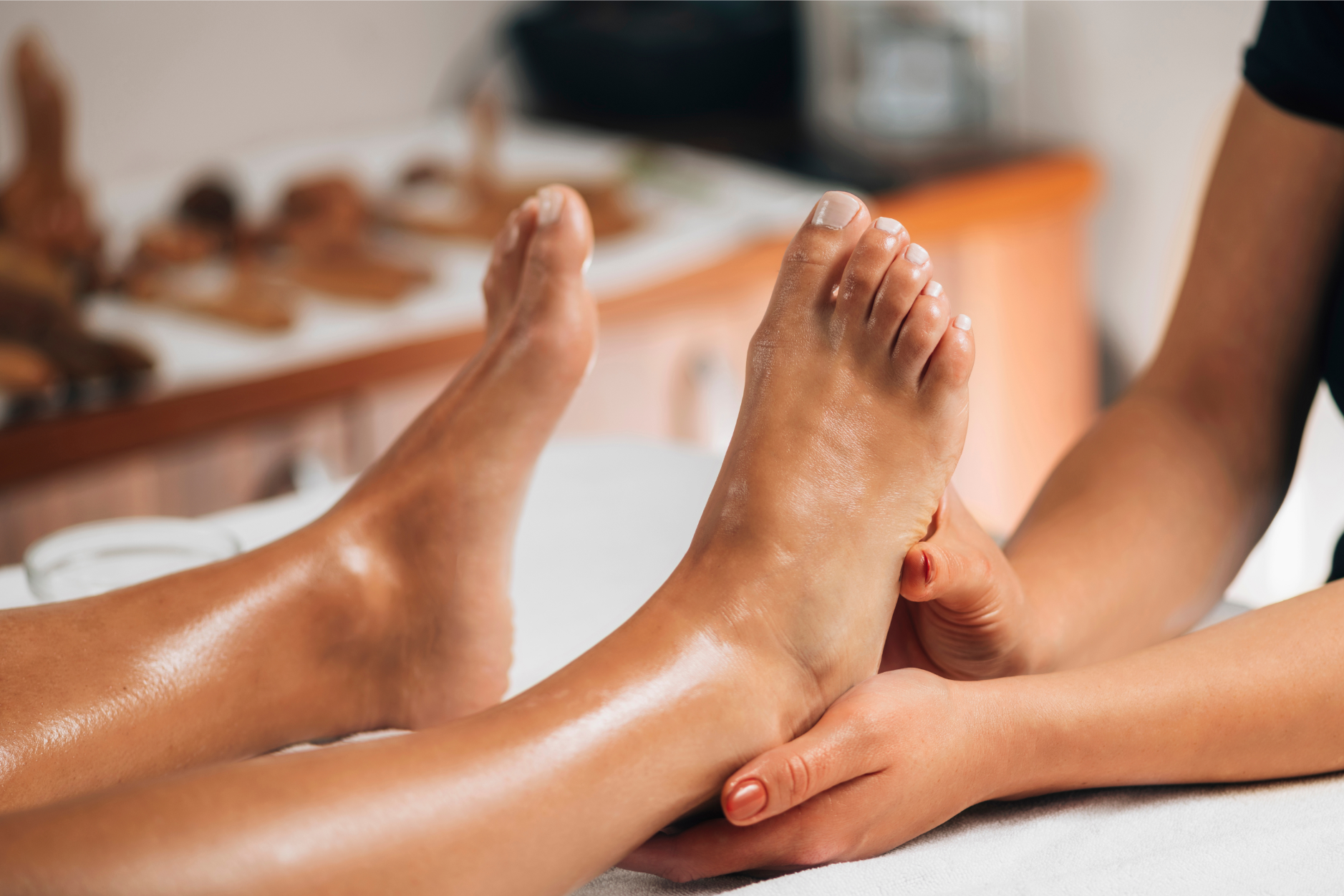
Massage benefits reach beyond a single appointment; they influence daily comfort, stress levels, and how the body recovers from normal wear. At its simplest, massage is the manipulation of soft tissues—muscles, fascia, tendons, and ligaments—using pressure, movement, and stretching. That tactile interaction triggers both local and systemic responses: increased blood flow to targeted areas, temporary reduction of tissue tightness, and stimulation of sensory nerves that can alter pain signaling. These immediate effects are why many people seek massage for sore shoulders, stiff necks, or general tension.
Understanding massage benefits starts with recognizing what a session can accomplish. Short-term results often include reduced muscle tension, a sense of relaxation, and improved range of motion in the treated region. Over time, regular sessions can support better movement patterns, make daily activities feel easier, and contribute to more consistent stress management. Massage can also complement other self-care practices—stretching, sleep hygiene, and light exercise—by making the body more receptive to those activities.
Not all massage approaches deliver the same sensations or outcomes. Techniques vary from lighter, flow-oriented strokes that promote relaxation to firmer, targeted work intended to release deeper knots and adhesions. The practitioner’s pressure, tempo, and skill influence both comfort and effectiveness. Equally important is the client’s state going into a session: hydration, recent activity, stress levels, and any underlying medical conditions all shape the experience and the benefits realized.
This overview frames the more specific physical, mental, and practical aspects that follow. Whether you’re new to massage or considering it as a recurring part of your wellness routine, understanding the range of massage benefits helps you choose techniques and frequency that align with your goals and daily life.
Physical benefits of massage extend across several systems and can improve how you move and feel day-to-day. One of the most immediate changes after a session is a reduction in muscle tightness. Through pressure and stretching, massage helps soften tense muscle fibers and can interrupt pain-spasm cycles that make simple tasks uncomfortable. This effect often translates to improved flexibility and a wider range of motion in joints connected to the treated muscles.
Circulation is another key area influenced by massage. Manipulation of soft tissue encourages local blood flow, which brings oxygen and nutrients to muscles while helping clear metabolic byproducts. Enhanced circulation can speed the feeling of recovery after exertion and reduce sensations of stiffness. Lymphatic drainage techniques used in some sessions can also support the movement of excess fluid away from tissues, helping reduce swelling when appropriate.
Massage may play a supportive role in managing chronic discomfort when used alongside medical advice and other therapies. People often notice fewer pain flare-ups and improved tolerance for activity after a series of treatments. It can also reduce muscle imbalances by targeting tight areas that pull joints out of comfortable alignment, potentially lowering strain on surrounding structures.
Practical considerations influence physical outcomes: session length, technique, and frequency matter. A brief session can provide immediate relief, while consistent visits or targeted home-care exercises may produce more lasting improvements. Always communicate openly with your therapist about pressure level, recent injuries, medications, or conditions such as high blood pressure or blood clotting issues, so they can tailor the session to maximize massage benefits safely.

A practical guide to the physical, mental, and routine advantages of regular massage
To get the most out of massage benefits, a few practical strategies help you prepare, extend results, and integrate sessions into a regular routine. Before a session, drink water and avoid heavy meals; staying hydrated supports circulation and recovery. Communicate clearly with your therapist about any recent injuries, medical conditions, medications, or areas of concern so the session can be adapted safely. Describe the pressure you prefer and give feedback during the massage—this dialogue improves comfort and effectiveness.
After a session, simple aftercare amplifies the benefits. Hydration continues to be important, and gentle movement or light stretching can help maintain increased range of motion. Warm baths or relaxation time afterward can prolong the calming effects. If soreness occurs, treat it like post-exercise muscle soreness: rest, hydrate, and use gentle mobility rather than intense activity for a day.
When deciding frequency, consider your goals and budget. Occasional sessions can provide immediate relief and stress relief, while a consistent schedule—weekly, biweekly, or monthly—supports ongoing maintenance for chronic tension or recovery needs. Combining professional massage with home practices, such as self-massage tools, targeted stretching, and sleep hygiene, helps sustain gains between appointments.
Know when to consult medical advice: uncontrolled pain, sudden swelling, unexplained bruising, or serious health concerns warrant evaluation before or instead of massage. Choosing a qualified practitioner who communicates well and follows safety guidelines increases the likelihood of beneficial outcomes. With thoughtful preparation, clear communication, and sensible aftercare, massage benefits can become a reliable element of everyday wellness.

Title
I'm a paragraph. Click here to add your own text and edit me. It's easy.
Title
I'm a paragraph. Click here to add your own text and edit me. It's easy.
Title
I'm a paragraph. Click here to add your own text and edit me. It's easy.