
October 27, 2026 at 8:29:59 AM
Everyday Healing: How Massage Benefits Body and Mind
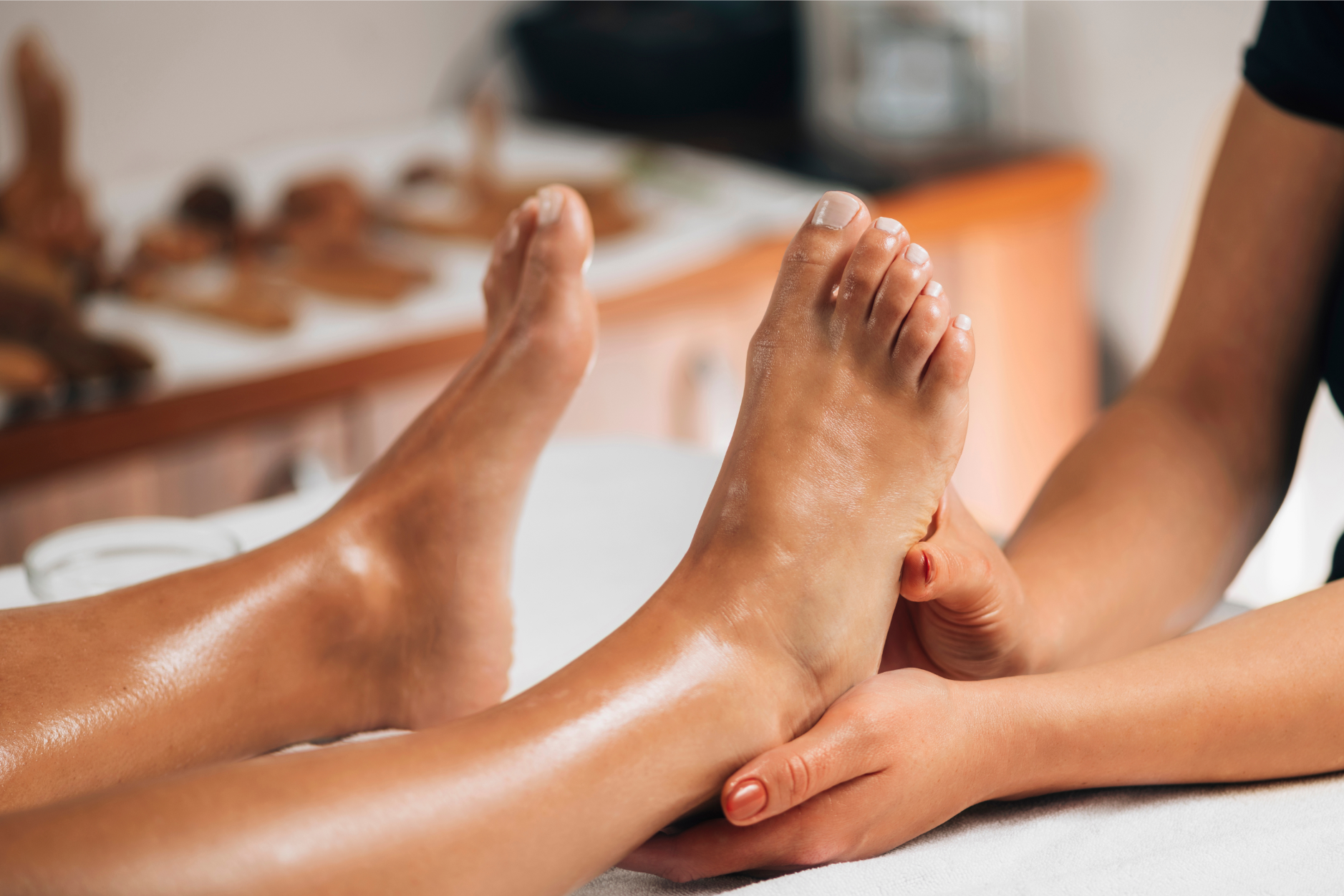
Massage benefits reach beyond simple relaxation; they create measurable shifts in how the body and mind function day to day. At their core, therapeutic touch and targeted pressure influence soft tissues, circulation, and the nervous system. That produces effects people notice quickly—reduced tension, a calmer mood, and often a better night’s sleep—as well as slower-developing improvements such as enhanced mobility and more effective recovery from minor strains. Recognizing massage benefits means seeing them in three broad areas: physical recovery and pain management, circulatory and lymphatic support, and emotional well-being.
Physically, massage eases tight muscles and helps break down localized adhesions that limit motion. It can make movement feel smoother and reduce the discomfort that interferes with normal activities. Circulatory benefits include improved delivery of oxygen and nutrients to tissues and more efficient removal of metabolic waste. Lymphatic stimulation—especially with lighter, rhythmical techniques—can support fluid balance and reduce the feeling of heaviness in affected areas.
On the mental side, massage benefits include lowering perceived stress, promoting relaxation responses, and creating space for rest. Even brief sessions can shift an overactive nervous system toward a calmer state, which supports clearer thinking and more consistent sleep patterns. For many people, the combination of physical relief and mental reprieve makes massage a practical part of routine self-care rather than an occasional luxury.
This post will unpack how those benefits happen, what to expect from a treatment, how often to schedule sessions for particular goals, and simple self-care practices that extend the positive effects between visits.
Understanding how massage benefits the body requires looking at the physiological mechanisms it triggers. Mechanical pressure and stretching applied to muscles and connective tissues change tissue tension and length, helping restore range of motion. When tight muscle fibers relax, joints move more freely and daily activities become less effortful. That mechanical effect also reduces strain on surrounding structures, which can lower the frequency and intensity of pain signals.
Circulatory effects are another key component of massage benefits. Increasing local blood flow supplies tissues with oxygen and nutrients needed for repair, while helping clear metabolic byproducts such as lactic acid that accumulate after exertion. Improved circulation can feel like warmth or a tingling release in areas that were previously stiff. Techniques that promote lymphatic flow encourage fluid movement through channels that remove waste and excess proteins, which can reduce mild swelling and the sensation of stiffness.
Nervous-system responses also play an important role. Massage stimulates pressure receptors and other sensory pathways that can modify how the brain perceives pain. At the same time, gentle, sustained touch often promotes parasympathetic nervous system activity—the “rest-and-digest” response—lowering heart rate and encouraging relaxation. These shifts help explain why massage benefits are often immediate (less tension, reduced discomfort) and cumulative (ongoing sessions can lead to more durable improvements in pain management and function).
For people working through muscle tension from repetitive tasks, athletes pursuing faster recovery, or anyone managing chronic musculoskeletal discomfort, the physiological aspects of massage benefits offer practical, non-pharmacological strategies to reduce pain and improve daily performance.

Understanding the Full Range of Massage Benefits and How to Use Them
Practical guidance helps translate massage benefits into consistent, safe outcomes. Frequency depends on goals: short-term relief for a nagging ache may come from a few sessions in a couple of weeks, while chronic issues often respond best to an initial series of treatments followed by maintenance sessions at monthly or biweekly intervals. For post-activity recovery, a brief session soon after exercise can reduce soreness; for persistent pain or mobility limits, longer or more focused treatments are appropriate.
Before a session, communicate any medical conditions, recent surgeries, or areas of acute pain. Contraindications include active infections, uncontrolled blood clotting disorders, deep vein thrombosis, acute fever, or recent fractures; pregnancy requires specialized care and therapist training. If you have cardiovascular issues or take blood-thinning medications, discuss safety considerations with a medical provider prior to scheduling. During the session, open feedback about pressure and comfort helps the therapist adjust technique and maximize benefit.
Aftercare supports lasting massage benefits. Hydrate to aid circulation and fluid balance, rest briefly to allow the nervous system to settle, and avoid intense activity for several hours. Gentle stretching or short walks can help integrate the session’s effects into movement patterns. Tracking symptoms between appointments—what improves, what returns—helps tailor future treatments for better outcomes.
In summary, massage benefits span physical recovery, circulatory and lymphatic support, and mental-emotional relief. When applied thoughtfully and safely, massage is a versatile self-care tool that complements medical care and active lifestyle choices. Consult qualified health professionals if you have concerns about specific conditions, and use clear communication to make each session as effective and comfortable as possible.

Title
I'm a paragraph. Click here to add your own text and edit me. It's easy.
Title
I'm a paragraph. Click here to add your own text and edit me. It's easy.
Title
I'm a paragraph. Click here to add your own text and edit me. It's easy.