
October 25, 2026 at 4:39:34 AM
Everyday Advantages of Massage: Enhancing Health and Well‑Being
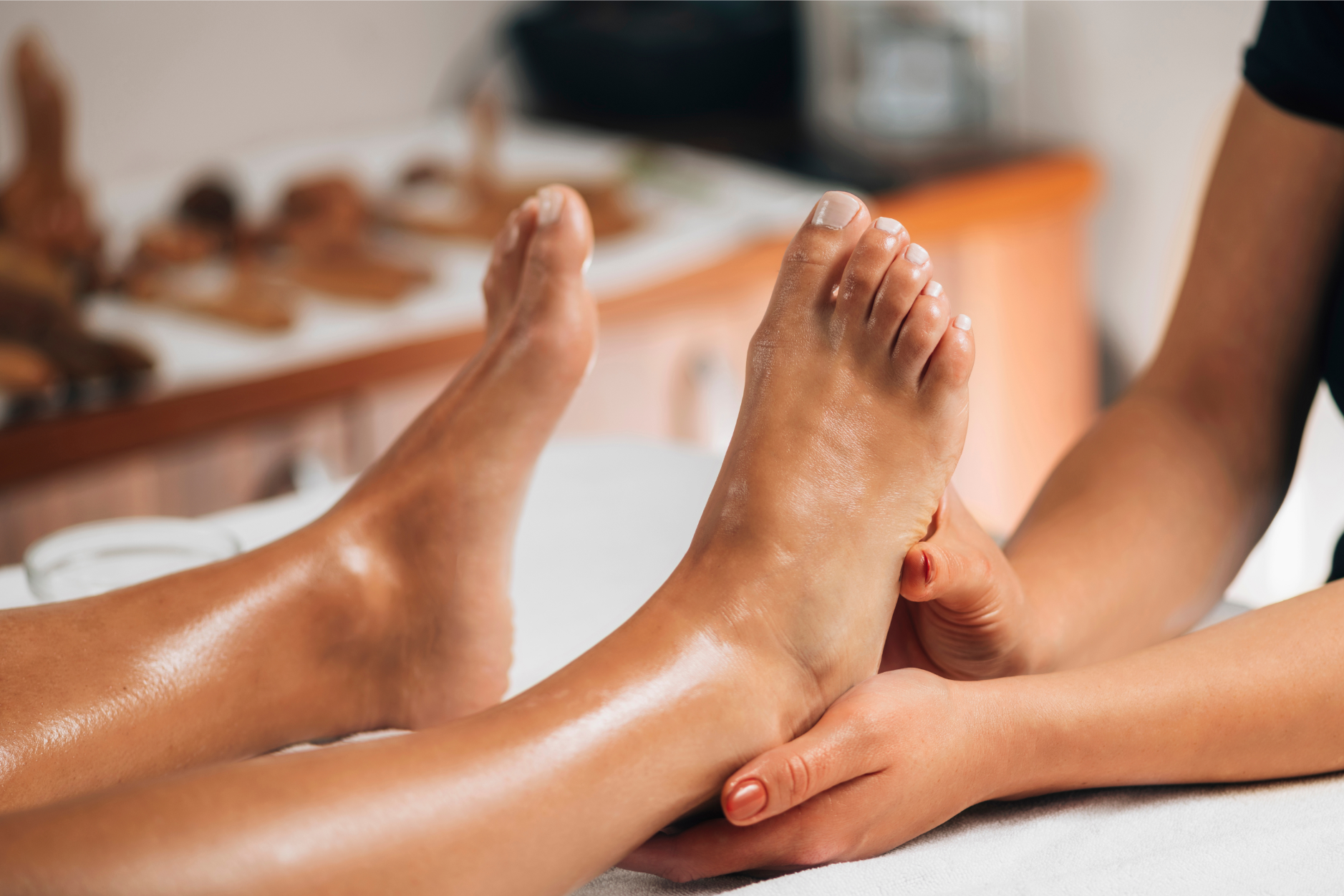
Massage benefits extend far beyond immediate relaxation. At their core, they involve hands-on techniques that influence muscles, connective tissues, circulation, and the nervous system. For many people, a professional massage is not merely a luxury but a practical tool to manage everyday strains that come from long hours at a desk, caregiving duties, athletic training, or chronic tension patterns. The immediate sensation of release that follows a session often encourages improved posture and a renewed ability to move without the same degree of tightness.
The mechanisms underlying massage benefits are varied. Manual pressure and movement help to mechanically soften tight or knotted muscles, enhance circulation to targeted areas, and promote lymphatic drainage. These physical effects often translate into functional outcomes — for example, greater range of motion, reduced stiffness after prolonged activity, and shortened recovery windows following exercise. In addition to these localized actions, touch-based therapies stimulate the parasympathetic nervous system, which supports a relaxation response. That calm state can lower perceived stress, making it easier to manage daily responsibilities with clarity.
People often report immediate changes such as lighter limbs, less tension in their neck and shoulders, or a sense of grounded relaxation. Those short-term shifts can be built into longer-term progress when massage is used thoughtfully within a broader health routine that includes movement, hydration, and rest. This post outlines specific physical and mental benefits, practical ways to get the most from massage, and safe guidelines for integrating it into a regular wellness plan. It focuses on accessible, non-technical explanations so readers can make informed choices about when and how to seek professional bodywork.
When discussing massage benefits for the body, several predictable outcomes tend to appear across different techniques. One of the most consistent is pain reduction. For people with muscle tension, repetitive stress, or localized soreness, targeted pressure and soft-tissue manipulation can interrupt pain signals and reduce tightness that contributes to discomfort. While massage is not a cure-all, it is commonly used alongside other interventions—stretching, exercise, or medical guidance—to improve comfort and function.
Improved circulation is another reliable physical benefit. Massage increases blood flow to treated areas, delivering oxygen and nutrients that support tissue health and assist in flushing metabolic byproducts. Enhanced circulation can also support healing processes; for example, mild soft-tissue work after a workout may help clear lactic acid and reduce the sense of post-exercise stiffness. Similarly, lymphatic stimulation through gentle techniques encourages the removal of excess fluid and cellular waste, which can help reduce swelling and promote tissue balance.
Flexibility and joint mobility often respond positively to regular massage, especially when combined with active movement. By decreasing muscle guarding and fascial restrictions, massage can allow joints to move more freely and with less compensatory strain. For people recovering from minor strains or who experience chronic tightness from posture or repetitive motion, this improved mobility can make daily tasks easier and reduce the likelihood of secondary issues.
Massage also supports recovery timelines for physically active individuals. Used strategically around training, it can decrease perceived soreness, support warm-up and cool-down routines, and help maintain soft tissue readiness. Always consider professional advice for acute injuries or conditions requiring medical attention before beginning or modifying massage treatments.

How Regular Massage Improves Body, Mind, and Daily Performance
To maximize massage benefits, practical preparation and follow-up matter as much as the session itself. Before an appointment, try to hydrate and avoid heavy meals immediately beforehand; being well-hydrated supports circulation and tissue responsiveness. Communicate openly with your therapist about pressure preferences, areas of discomfort, any medical conditions, and goals for the session. Clear communication helps tailor the treatment to your needs and prevents unnecessary discomfort.
During the session, practice steady, relaxed breathing and try to release the tendency to brace. Small adjustments—changing positions or asking for gentler pressure—can make a significant difference in comfort and outcomes. After the session, prioritize gentle movement: short walks, light stretching, or mobility work helps integrate the changes created by massage. Continuing to hydrate and allowing time for quiet rest can support recovery and prolong benefits.
Consider frequency based on goals: occasional sessions can provide short-term relief and relaxation, while more regular appointments—weekly or biweekly—may be useful for persistent tension, recovery from training, or ongoing stress management. Always consult with healthcare providers if you have underlying health conditions, circulatory issues, or acute injuries that could affect safety. Contraindications for massage include certain infections, open wounds, unstable fractures, or active inflammatory conditions; professionals will screen for these before treatment.
In summary, massage benefits span physical relief, improved circulation and mobility, enhanced sleep, and better stress management. When combined with clear communication, appropriate aftercare, and integration into a broader wellness plan, massage becomes an accessible tool for supporting everyday health. Thoughtful use—rather than one-off indulgence—tends to produce the most reliable, lasting improvements.

Title
I'm a paragraph. Click here to add your own text and edit me. It's easy.
Title
I'm a paragraph. Click here to add your own text and edit me. It's easy.
Title
I'm a paragraph. Click here to add your own text and edit me. It's easy.